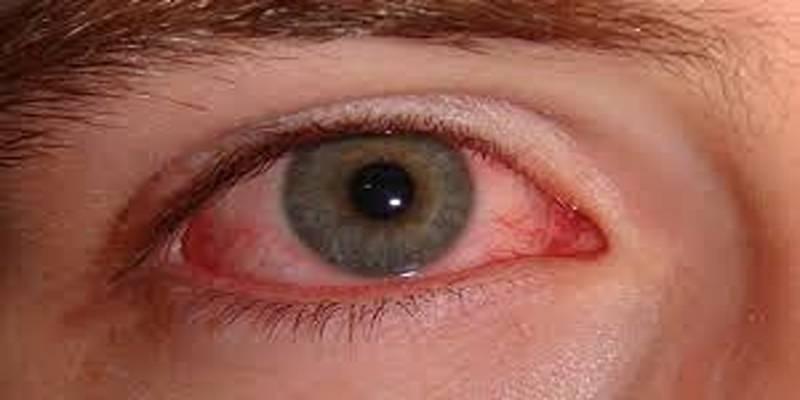
Pink eye, medically known as conjunctivitis, is one of the most common eye conditions that can affect individuals of all ages. It occurs when the thin, transparent layer covering the white of the eye and the inside of the eyelids—called the conjunctiva—becomes inflamed. This inflammation can cause the eye to appear red or pink, hence the name. Understanding what pink eye looks like is crucial for recognizing it early and taking the right steps toward treatment and prevention.
The Hallmark Appearance of Pink Eye
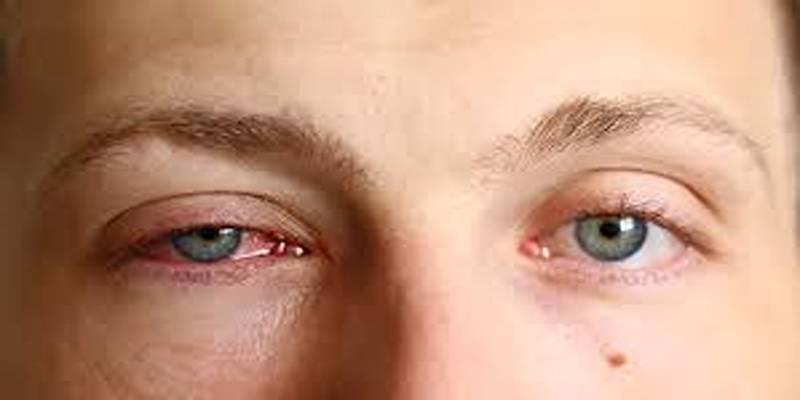
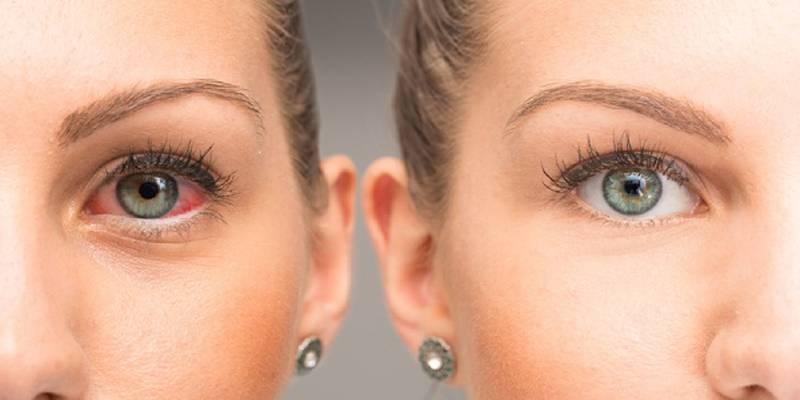
The defining visual characteristic of pink eye is redness in one or both eyes. This redness can range from a light flush to a more intense crimson shade, depending on the severity and cause of the inflammation. The redness usually appears across the entire white portion of the eye, though it can be more concentrated in certain areas.
Along with redness, the eyes may appear watery or glossy. Swelling of the conjunctiva or eyelids may also be present, giving the eyes a puffy appearance. In more noticeable cases, discharge collects along the lashes or corners of the eye, further signaling irritation or infection.
Common Symptoms That Accompany the Appearance
While redness is the most obvious visual sign, other symptoms help clarify whether the condition is indeed pink eye:
- Eye Discharge: The type of discharge often varies depending on the cause. A watery discharge is commonly associated with viral or allergic conjunctivitis. In contrast, bacterial conjunctivitis often produces a thicker, yellow or green discharge that can cause the eyelids to stick together, especially upon waking.
- Itching and Irritation: A persistent sensation of itchiness or grittiness is common in allergic conjunctivitis, whereas bacterial and viral forms may feel more like irritation or burning.
- Excessive Tearing: Overproduction of tears is common in viral and allergic types, sometimes enough to blur vision temporarily. This constant tearing can also contribute to skin irritation around the eyes.
- Swelling: Both the conjunctiva and eyelids may swell, creating a puffy look and sometimes narrowing the opening of the eye. Significant swelling can make the eyes appear tired or strained.
- Sensitivity to Light: Mild sensitivity to light may occur, particularly in viral cases, causing discomfort in bright environments.
How Does Appearance Differ by Cause?
Pink eye can be triggered by viruses, bacteria, allergens, or environmental irritants, and its appearance can shift slightly depending on the source.
- Viral Conjunctivitis: Redness is usually diffuse, and the discharge is watery. It may start in one eye and spread to the other within days. Mild swelling and light sensitivity are common.
- Bacterial Conjunctivitis: The eye appears red and irritated, often with significant swelling. A thick, sticky discharge is common, sometimes crusting over the lashes and eyelids. The redness is usually more intense than in viral cases.
- Allergic Conjunctivitis: Both eyes are typically affected at the same time. Along with redness, there is significant itching, tearing, and swelling. The conjunctiva may appear bumpy, and symptoms often coincide with seasonal allergen exposure.
- Irritant-Induced Conjunctivitis: Redness and watering occur after exposure to irritants like smoke, dust, or chemicals. Discomfort improves once the irritant is removed.
Distinguishing Pink Eye from Other Red Eye Conditions
Not all redness is conjunctivitis. Conditions such as dry eye syndrome, blepharitis, or more serious concerns like uveitis and keratitis can cause similar changes. The diffuse redness of pink eye, combined with swelling and discharge, is typically more uniform across the sclera compared to the localized redness of other eye disorders.
Dry eye may cause intermittent redness without the characteristic discharge, while blepharitis involves more pronounced eyelid margin inflammation. Serious conditions like uveitis often involve deep, aching pain and marked sensitivity to light, which are less common in conjunctivitis.
When Professional Care Is Needed?
While many mild cases resolve with minimal intervention, certain warning signs indicate the need for prompt medical evaluation. These include the presence of severe pain or swelling, sudden and significant changes in vision, or extreme sensitivity to light.
Medical attention is also advised when symptoms are accompanied by intense redness in only one eye, as well as when the condition worsens or shows no improvement within several days.
Seeking a professional diagnosis helps ensure that more serious eye problems are not mistaken for conjunctivitis and that appropriate treatment—such as antibiotic drops for bacterial infections—is provided when necessary.
Preventing the Spread of Contagious Pink Eye
Viral and bacterial conjunctivitis are highly contagious. Recognizing the appearance early allows individuals to take preventive steps. It includes practicing strict hand hygiene, avoiding touching the eyes, and refraining from sharing towels, pillowcases, or cosmetics. Surfaces frequently touched by the infected person should be disinfected to reduce the likelihood of spreading the infection.
By identifying pink eye quickly, those affected can also limit close contact in group settings, such as schools or workplaces, during the contagious period.
Importance of Early Recognition
Early recognition of pink eye is valuable for both comfort and recovery. Starting treatment promptly—whether through prescription medication for bacterial infections or symptom relief for viral and allergic types—can shorten the duration and minimize complications.
Identifying the condition early also helps in managing related discomforts, such as itchiness, swelling, or sensitivity to light. Preventive steps taken at the first sign of redness can protect others from infection and reduce the severity of symptoms in the affected individual.
Conclusion
Pink eye is a highly recognizable eye condition, most often signaled by diffuse redness in one or both eyes. Its appearance can vary depending on whether it is caused by a virus, bacteria, allergens, or irritants, but common accompanying signs include swelling, discharge, and irritation.
Understanding what pink eye looks like makes it easier to distinguish from other eye conditions, seek timely care, and take steps to prevent spreading the infection, whether mild or more severe. Early identification supports faster recovery, greater comfort, and better overall eye health.