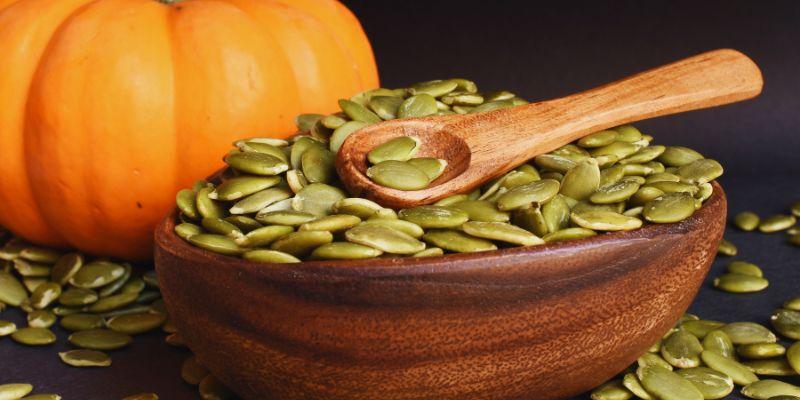
If you are looking for an easy way to boost your health, pumpkin seeds are what you need. Though they may not get the spotlight like flax or chia seeds, pumpkin seeds are just as impressive in terms of health benefits. These flat, oval-shaped seeds, which are sometimes called "pepitas," are rich in iron, zinc, magnesium, and healthy fats.
Aside from that, crunchy pumpkin seeds are known to support everything from heart health to immunity, better sleep, and blood sugar control. If you also love their nutty and slightly sweet flavor, add them to yogurt, salads, oatmeal, or enjoy as a snack on throughout the day. But, before making them an essential part of your daily meals, don’t forget to learn about their remarkable health and nutritional value here!
Nutritional Profile of Pumpkin Seeds
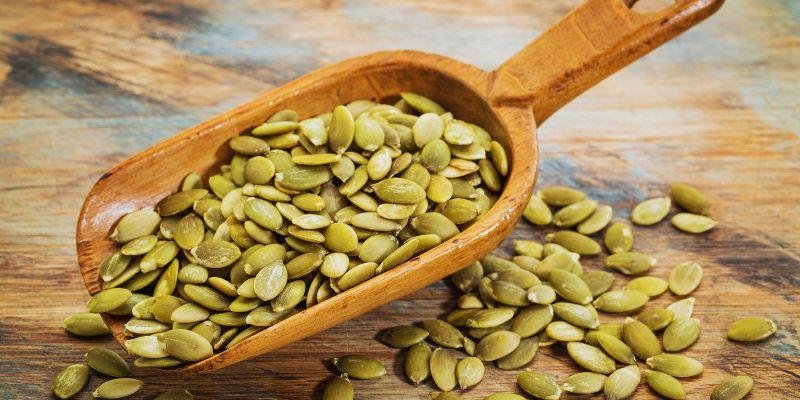
Pumpkin seeds are small but packed with nutrients that support good health. A one-ounce serving of pumpkin seeds without shells contains roughly 151 calories, 7 grams of protein, 13 grams of healthy fats, and 5 grams of carbohydrates. They are a great source of fiber, providing about 1.1 grams per serving. These seeds are rich in vitamins like vitamin K and minerals such as magnesium, phosphorus, and zinc.
Pumpkin seeds also contain iron, and small amounts of calcium and potassium. They are loaded with antioxidants like vitamin E, which protect cells from damage. The healthy fats, including omega-3s, support heart health. Eating pumpkin seeds can be an easy way to add these nutrients to your diet. You can snack on them or add them to meals; their nutrient density makes them a smart choice for overall wellness.
Health Benefits of Pumpkin Seeds:
Here are the benefits of pumpkin seeds:
Heart Health:
Pumpkin seeds are great for your heart. They contain healthy fats, like omega-3 fatty acids, which lower bad cholesterol levels. Ultimately, it reduces the risk of heart disease. The magnesium in pumpkin seeds helps control blood pressure by keeping your heart and blood vessels healthy. Antioxidants in the seeds, like vitamin E, protect your heart by reducing inflammation and preventing damage to blood vessels. Eating pumpkin seeds regularly can support better blood flow and lower the chances of heart problems.
Immune System Support:
Pumpkin seeds boost your immune system because of their high zinc content. Zinc helps your body fight off infections and keeps your immune cells strong. The antioxidants in pumpkin seeds also protect your cells from damage, which supports overall immune health. Vitamin E in the seeds works to reduce inflammation. It helps your body stay ready to combat germs. Adding pumpkin seeds to your diet can help you stay healthier, especially during cold and flu season.
Better Sleep:
Pumpkin seeds can help you sleep better. They are a natural source of tryptophan. It is an amino acid that helps your body produce serotonin, a chemical that promotes relaxation and sleep. The magnesium in pumpkin seeds also calms your nerves and muscles, making it easier to fall asleep. Eating a small handful of pumpkin seeds in the evening might help you relax and improve your sleep quality, and sleeping well is important for overall health.
Blood Sugar Control:
Pumpkin seeds can help manage blood sugar levels. The fiber and healthy fats in the seeds slow down sugar absorption in your body. It prevents sudden blood sugar spikes. Magnesium also plays a role in improving insulin sensitivity, which helps your body use sugar better. For people with diabetes or those trying to keep their blood sugar stable, pumpkin seeds can be a helpful addition to a balanced diet. They provide a nutritious snack that supports steady energy levels.
How to Eat Pumpkin Seeds?
Pumpkin seeds are easy to include in your diet. You can eat them raw or roasted, with or without the shell. To roast, toss the seeds in a little olive oil and salt, then bake at 350°F. They make a great snack on their own. It can also be sprinkled over salads, soups, or yogurt for added crunch. You can also blend them into smoothies. It can be mixed into baked goods like muffins or bread.
If you buy shelled seeds, they are ready to eat, but whole seeds need the shell removed before eating. You can store them in an airtight container in a cool, dry place to keep them fresh. Pumpkin seeds can also be ground into a powder for recipes or used to make pumpkin seed butter. Eating about one to two ounces daily is a good amount to get their benefits without overdoing it. Always choose unsalted or lightly salted seeds to keep sodium low.
Side Effects of Consuming Pumpkin Seeds:
Here are the side effects of consuming pumpkin seeds:
- Digestive Issues: Pumpkin seeds are healthy, but eating too many can cause digestive problems. The high fiber content can lead to bloating, gas, or stomach cramps if you eat large amounts, especially if your body isn't used to fiber. To avoid this, start with a small portion, like one ounce, and slowly increase the amount. Drinking water with pumpkin seeds can also help your body handle the fiber better.
- Allergic Reactions: Some people can be allergic to pumpkin seeds. Allergic reactions can include itching, swelling, or trouble breathing. If you are trying pumpkin seeds for the first time, eat a small amount and watch for any signs of a reaction. If you have a history of seed or nut allergies, talk to a doctor before eating pumpkin seeds to stay safe.
- Calorie Overload: Pumpkin seeds are calorie-dense, with about 151 calories per ounce. Eating too much can lead to weight gain if you are not careful. To enjoy their benefits without extra calories, stick to a small serving size. Just take one or two tablespoons, and include them as part of a balanced diet. It helps you avoid consuming too many calories while still getting the nutrients.
- Interaction with Medications: Pumpkin seeds can interact with certain medications. For example, their high potassium content can affect people taking medications for blood pressure or heart conditions. If you are on any medication, check with your doctor before eating large amounts of pumpkin seeds to avoid issues.
Conclusion:
Pumpkin seeds provide a lot of nutrients together with multiple health advantages to your body. These nutrients support heart health while strengthening immunity, improving sleep quality, and managing blood sugar levels. The seeds can easily be added to various dishes or eaten as standalone snacks. The consumption of pumpkin seeds needs to be controlled because excessive intake can lead to negative effects. The regular consumption of pumpkin seeds gives you numerous wellness advantages that easily enhance your general health.