Bad credit can make debt feel louder. Every bill shows up like a reminder, and the idea of consolidating sounds like relief you might not qualify for.
Here’s the good news: a low score does not automatically shut the door on a debt consolidation loan. It just changes the rules of the game. Lenders look at risk, yes, but they also look at your income, your recent payment behavior, and how much you’re trying to borrow.
The bigger question is not only “Can I get approved?” It’s “Will this actually make my debt easier to pay off?” Let’s get into what approval really depends on, and how to avoid a consolidation deal that quietly makes things worse.
What Lenders See When They See “Bad Credit”
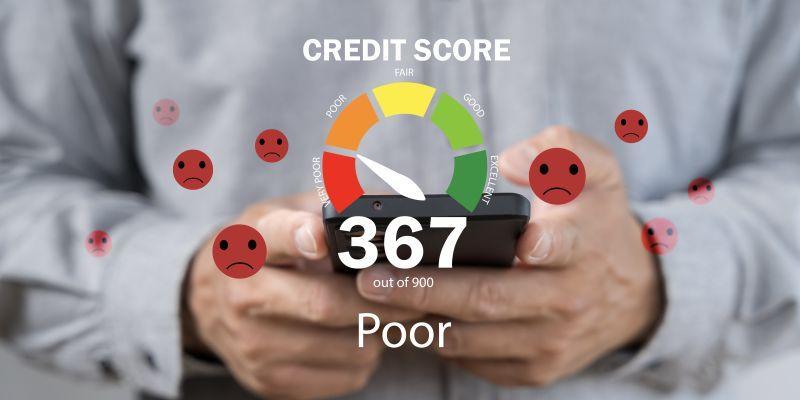
Your credit score is a shorthand, not a full biography. When lenders see “bad credit,” they usually see missed payments, high balances, or thin history, and they translate that into one word: risk. It does not mean you are irresponsible. It means the report shows strain.
Most lenders dig past the number. They look at what happened recently, not just what happened years ago. A score with one old mistake can read very differently from a score with three late payments in the last six months. Timing matters more than people expect.
They also study whether the loan fits your budget. Income, job stability, and your debt-to-income ratio help answer a simple question: Can you handle one new payment consistently? If the math works, some lenders will tolerate a lower score, especially with strong cash flow. Regular deposits in your bank statements can help, too.
When Consolidation Helps And When It Backfires
Done well, consolidation feels like turning down the volume. You replace multiple due dates with one, and you often trade several high-interest balances for a single rate. The win is not emotional. It is mathematical, especially when the new payment is lower and more predictable. It also makes budgeting easier each month.
It can also backfire quietly. A loan with a long term might cut your monthly payment while increasing the total interest you pay. Add origination fees, insurance add-ons, or prepayment penalties, and the “relief” starts to look expensive in slow motion. Fees can erase savings quickly.
The biggest trap is behavior, not paperwork. If you consolidate credit cards and then run them back up, you now have the loan plus new card balances. That is how people end up with more debt than they started with, even after getting approved. So curb new spending.
Your Approval Odds Depend On Which Lane You Pick

The lane you choose changes everything. A standard unsecured personal loan is the most common route, but it is also the pickiest on credit. Some online lenders will still consider you with a lower score, yet the rate may sting. The key is whether the new payment truly beats your current costs.
Credit unions often play a different game. If you have a membership or can join, they may weigh your relationship, income, and history with them more heavily than a single score snapshot. You might also see lower fees, which matters when every dollar is already assigned a job. Some even offer credit-builder perks.
Then there are “support” lanes. A secured loan uses collateral, like a car or savings, which can boost approval but raises the stakes if you miss payments. A co-signer can help you qualify, but it puts their credit on the line. Balance transfer cards can work, though approvals and limits are often tough with bad credit.
The Quiet Stuff That Matters More Than You Think
Loan size is a silent dealbreaker. Asking for a smaller amount that still clears your highest-interest balances can raise your odds and lower your risk. Lenders want to see a request that matches your income, not one that looks like a financial Hail Mary. Right-sizing helps more than perfect wording on an application.
Your recent credit behavior carries a lot of weight. Even with a low score, a few months of on-time payments, declining utilization, and no new collections can change how you look. A lender may read that as momentum. They want a story that is improving, not unraveling.
Documentation can act like extra credibility. Proof of income, stable employment, and consistent deposits show you are not guessing about repayment. Some lenders also check your bank activity to see if you routinely overdraft or if your cash flow is steady. That “boring” stability can be persuasive.
How To Apply Without Wrecking Your Score
Start with pre-qualification when it is available. Many lenders let you check estimated rates with a soft credit pull, which typically does not impact your score. It is an easy way to test the waters and avoid piling up hard inquiries while you are still comparing options.
When you do move to formal applications, shop in a tight window. Multiple loan inquiries made close together are often treated as rate shopping rather than separate hits, depending on the scoring model and timing. Keep your list short, choose reputable lenders, and avoid applying everywhere out of panic.
Go in prepared so you are not scrambling mid-process. Have pay stubs, bank statements, and a clear list of debts ready, plus the payoff amounts. Read the full loan terms, especially fees and optional add-ons. If a lender pressures you to “act now,” that is usually a sign to slow down.
If A Loan Is A No For Now, You Still Have Moves
A debt management plan through a nonprofit credit counseling agency can lower interest rates and combine payments without a new loan. You make one monthly payment to the program, and they pay your creditors. It is not instant, but it can create breathing room and structure.
Hardship programs are another underrated option. Many card issuers will temporarily reduce rates or adjust payments if you call and explain your situation. Debt settlement is different and riskier, since it can hurt credit and may involve taxes or fees. Sometimes the best move is negotiation, not borrowing.
If you want, I can write the final conclusion section next, keeping it around 125 words and matching the same paragraph rhythm.
The Bottom Line And Your Next Best Step
Yes, you can get a debt consolidation loan with bad credit. The catch is that approval is only half the win. The real win is getting a payment and total cost that makes your debt shrink faster, not just feel quieter for a month or two.
If you are close to qualifying, start by checking pre-qual offers, then compare the full cost: APR, fees, and the total you will repay. If the numbers beat what you are paying now, and the payment fits your budget, you have a solid case.
If the offers are ugly, pause and pivot. Call creditors, explore a debt management plan, and focus on a few months of clean payment history. Then reapply with a stronger profile, ideally for a smaller, smarter amount.