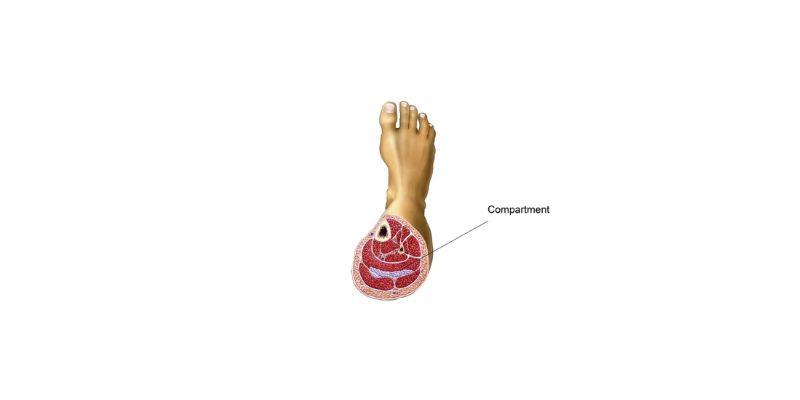
Compartment syndrome is a painful and dangerous condition that requires immediate treatment. It happens when pressure builds up in a muscle compartment, stopping blood flow and oxygen. If not treated correctly, this may cause irreversible damage to muscles or nerves. The condition may begin immediately after an accident or develop over time, especially in athletes.
You may experience discomfort, numbness, or swelling in your arms or legs. It is essential to recognize these signs early. If you have a sports injury or are taking care of someone who is at risk, learning about this condition could save your life or possibly your limb. Let’s discuss how to identify and address this significant health issue before it causes permanent damage.
What Is Compartment Syndrome?
When there is excessive pressure in a muscle compartment, it can lead to compartment syndrome, a condition that is both unpleasant and hazardous. Fascia is a tight tissue that surrounds and separates muscles, nerves, and blood vessels into compartments. When there is edema, hemorrhage, or fluid buildup, the fascia can’t stretch, which causes the pressure to increase. This pressure stops blood from flowing, which means that the area doesn’t get as much oxygen and nutrients.
If you don’t get treatment right away, the tissue can die, which can cause lasting harm or even amputation. There are two basic forms of compartment syndrome: acute and chronic. Acute cases frequently happen after an injury or trauma and need immediate medical attention. Chronic instances often take a long time to develop, typically in athletes. In most cases, the pain subsides after a period of relaxation. It’s crucial to know the difference between the two because the treatment differs for each type, as well as the severity of the condition.
Causes and Risk Factors
Several factors can cause compartment syndrome, particularly when there is stress or trauma. A broken bone, a crush injury, or a severe bruise can all increase the pressure inside a muscle compartment. Tight bandages, burns, or surgery can also cause the problem. In serious cases, the reason is usually something that happens quickly, such as an accident or a fall. Chronic compartment syndrome is a distinct condition that mostly affects athletes, especially runners and bikers. It occurs when you overexert yourself and overuse your muscles.
When a person is active, the muscle swells, and when they rest, the pressure is released. Risk factors include doing a lot of physical activity, having poor circulation, having bleeding disorders, or wearing casts or wraps that are too tight. People who have diabetes or trouble with blood clotting may also be more likely to get it. Knowing these causes and risk factors will help you find the problem early and obtain the proper medical care on time.
How Compartment Syndrome Is Diagnosed
A comprehensive look at symptoms, medical history, and physical signs is the first step in diagnosing compartment syndrome. If you’re experiencing symptoms, doctors will inquire whether you have had an accident, surgery, or a workout regimen that could be linked to it. When symptoms like extreme pain, numbness, and stiffness happen suddenly, they are cause for instant worry. The affected area may appear hard, bloated, and painful to the touch.
Doctors utilize a compartment pressure monitor, a specialized tool, to confirm the diagnosis. It checks the pressure in the muscular compartment. If the pressure becomes too high, surgery may be necessary immediately. X-rays or MRIs can help rule out other causes, but they can’t prove the diagnosis on their own. For chronic compartment syndrome, pressure is checked before and after exercise. It helps determine if specific activities cause the pain and if surgery is necessary. Getting an early and correct diagnosis is the best way to avoid catastrophic problems like tissue death.
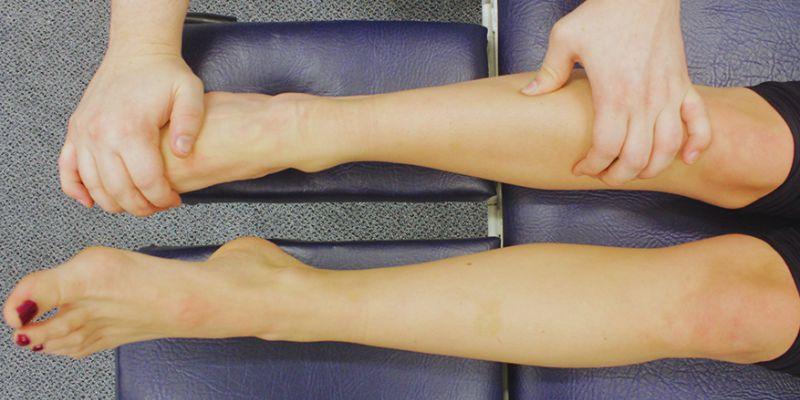
How Chronic Compartment Syndrome Is Treated
Chronic compartment syndrome develops over time, primarily due to repetitive exercises. It is not a medical emergency like acute compartment syndrome. Most of the time, treatment begins with basic measures that help alleviate symptoms. These include getting enough sleep, adjusting your daily activities, and attending physical therapy sessions. Stretching and strengthening programs may help some people.
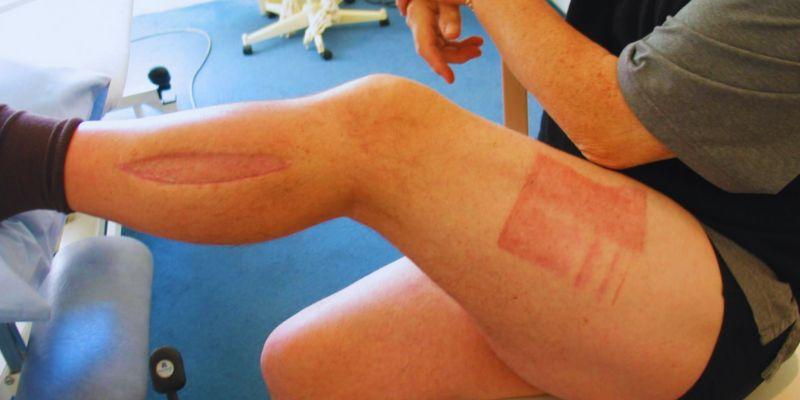
Doctors may prescribe anti-inflammatory medications to help with pain and swelling. If these steps, which don’t include surgery, are not effective, surgery may be the next step. A fasciotomy is often performed to reduce pressure in the affected muscle area. This surgery allows the muscle to expand more as you work out. Most of the time, recovery takes less time than in acute situations. Most people can return to sports or other activities after they have properly recuperated. Regular check-ins with the doctor make sure things are getting better.
Preventing Compartment Syndrome
You can’t stop all occurrences of compartment syndrome, but you can minimize your risk by taking some actions. For athletes, gradually increasing the difficulty of workouts helps their muscles adapt safely and effectively. Always warm up before exercise and cool down afterward. Wearing the right clothes and shoes reduces the risk of injury. Don’t wrap your arms and legs too tightly with bandages, braces, or casts. If you injure a limb, seek medical attention immediately and follow the doctor’s instructions.
Pain, swelling, or numbness are all signs to watch out for and report right away. Individuals with diabetes or blood disorders should carefully manage their conditions with the guidance of a specialist. Stop working out when your body hurts. Being aware of your body and acting promptly are the most crucial aspects of prevention. You can lower your risk of developing this serious illness by taking simple steps and being aware of warning symptoms.
Conclusion:
Compartment syndrome is a serious condition that requires prompt diagnosis and treatment. If you ignore signals like pain, swelling, or numbness, you could hurt yourself for good. Emergency surgery is necessary for acute cases, although chronic situations may improve with rest, rehabilitation, or planned procedures. You can safeguard your health and act quickly if you are aware of the causes, warning signs, and available treatment options. It’s essential to be attentive, whether you’re an athlete or someone recovering from an injury. Taking care of yourself early on can help you avoid problems and get better completely.