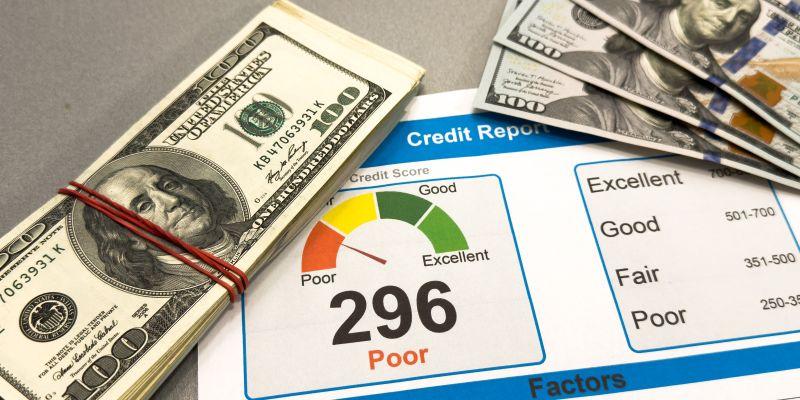
Building credit can feel impossible—you need credit cards to build history but need history to get approved. Secured credit cards break this cycle. With an upfront cash deposit as collateral, they lower lender risk while helping you prove responsible credit use. They’re the perfect tool for rebuilding or starting fresh. This guide covers how they work and how to choose the right one.
What Are Secured Credit Cards?

A secured credit card functions much like a regular credit card, with one key difference: you must put down a refundable security deposit when you open the account. This deposit typically becomes your credit limit, though some cards may offer higher limits based on your income and creditworthiness.
The deposit acts as insurance for the credit card company. If you fail to make payments, they can use your deposit to cover the outstanding balance. However, your deposit isn't used to pay your monthly bills—you're still responsible for making regular payments just like any other credit card.
How Secured Credit Cards Work
When you apply for a secured credit card, the process follows these basic steps:
- Application and Approval: You complete an application similar to any credit card. While approval requirements are generally more lenient than unsecured cards, you'll still need to meet basic criteria like having a bank account and sufficient income.
- Security Deposit: Upon approval, you'll need to fund your account with a security deposit. Most cards require a minimum deposit between $200 and $500, though some allow deposits as low as $49 or as high as $5,000.
- Credit Limit Assignment: Your deposit typically equals your credit limit. For example, a $300 deposit usually means a $300 credit limit.
- Regular Use: You can use the card for purchases just like any other credit card. You'll receive monthly statements and need to make at least minimum payments by the due date.
- Credit Reporting: Most secured cards report your payment history to the three major credit bureaus—Experian, Equifax, and TransUnion. This reporting is what helps build your credit score over time.
Benefits of Secured Credit Cards
Build Credit History From Scratch
Secured credit cards provide an accessible entry point into the credit system. Even with no credit history or a low credit score, you can typically qualify for a secured card and begin establishing positive payment patterns.
Improve Your Credit Score
Responsible use of a secured credit card can significantly impact your credit score. Payment history accounts for 35% of your FICO score, making on-time payments crucial. Additionally, keeping your credit utilization low (ideally under 30% of your limit) helps improve your score over time.
Graduate to Unsecured Cards
Many secured credit card issuers offer a path to upgrade to an unsecured card after demonstrating responsible use. This graduation typically happens after six to twelve months of on-time payments, and you'll get your security deposit back.
Learn Credit Management Skills
Secured cards provide a low-risk environment to develop good credit habits. You can learn to budget for credit card payments, understand how interest works, and practice keeping balances manageable.
Potential Drawbacks to Consider
Upfront Deposit Requirement
The biggest barrier to secured credit cards is the initial deposit. You'll need to have cash available upfront, which might be challenging if you're already facing financial constraints.
Lower Credit Limits
Since your credit limit typically matches your deposit, you might start with a relatively low spending capacity. This can make it challenging to make larger purchases or could lead to high utilization rates if you're not careful.
Fees and Interest Rates
Some secured cards come with annual fees, monthly maintenance fees, or higher interest rates compared to premium unsecured cards. These costs can add up, so it's important to compare options carefully.
No Rewards Initially
Most secured credit cards don't offer rewards programs like cash back or travel points. You're primarily paying for the opportunity to build credit rather than earning benefits on your spending.
How to Choose the Right Secured Credit Card
Look for Credit Bureau Reporting
Ensure the card reports to all three major credit bureaus. Without this reporting, the card won't help build your credit score, defeating the primary purpose of getting a secured card.
Consider Graduation Policies
Choose cards that offer a clear path to upgrade to an unsecured card. Look for specific criteria and timeframes for graduation, such as "upgrade after six months of on-time payments."
Compare Fees and Interest Rates
While building credit is the primary goal, you don't want to pay excessive fees. Compare annual fees, monthly maintenance fees, and APRs across different options. Some excellent secured cards have no annual fee.
Evaluate Additional Features
Some secured cards offer benefits like:
- Free credit score monitoring
- Financial education resources
- Mobile banking apps
- Fraud protection
- The ability to increase your credit limit by adding to your deposit
Check Minimum and Maximum Deposit Requirements
Make sure the deposit requirements align with your budget and credit goals. Some cards allow deposits as low as $49, while others require $200 or more.
Best Practices for Using Secured Credit Cards

- Make Payments On Time, Every Time: Payment history has the biggest impact on your credit score. Set up automatic payments or calendar reminders to ensure you never miss a due date.
- Keep Utilization Low: Try to use less than 30% of your credit limit, and ideally less than 10%. If your limit is $300, keep your balance below $30 to $90. Pay down balances before your statement closes to keep reported utilization low.
- Pay More Than the Minimum: While making minimum payments protects your credit score, paying more reduces interest charges and helps you develop better financial habits.
- Monitor Your Credit Progress: Take advantage of free credit monitoring services to track your score improvements. Many card issuers provide free credit scores, or you can use services like Credit Karma or annualcreditreport.com.
Conclusion
Secured credit cards are a powerful tool for building or repairing credit. They offer a practical way to improve financial health by fostering responsible habits. Start by comparing options from trusted issuers, focusing on fees and benefits. Use your card responsibly—pay on time, keep utilization low and you could see credit score improvements in months, paving the way for unsecured cards and long-term credit success.