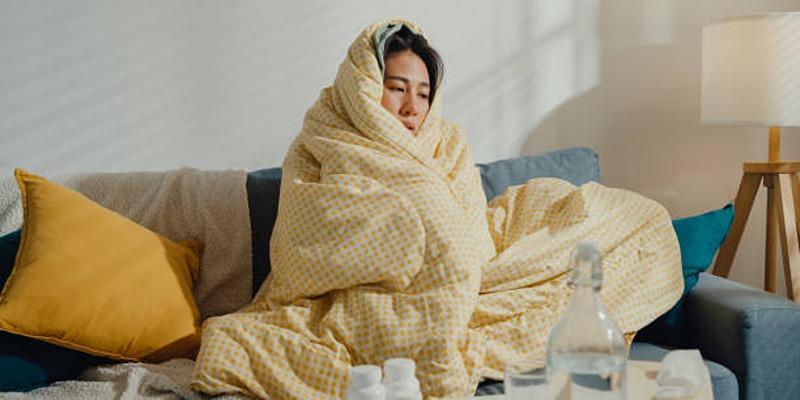
Night sweats and shivering can be alarming symptoms, often linked to various underlying causes. These may range from infections and hormonal imbalances to environmental factors or medical conditions. Understanding their root cause is essential to addressing them effectively. This guide explores the possible reasons and when to seek medical attention for these symptoms.
What Are Night Sweats and Shivering?
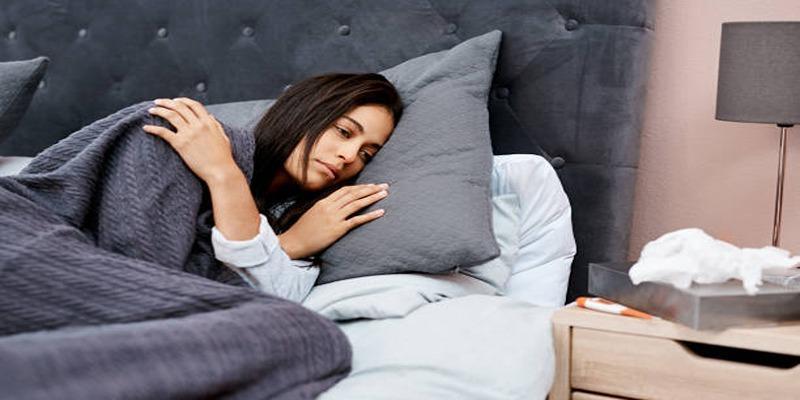
Night sweats involve episodes of intense perspiration that occur during sleep, even in a cool or neutral environment. These are not the mild dampness from a warm blanket or poor ventilation. Instead, they often result in soaked sleepwear and bedding.
Shivering, on the other hand, is the body’s natural response to feeling cold. It’s characterized by rapid, rhythmic muscle contractions designed to generate warmth. However, shivering may not always be triggered by external cold—it can stem from internal physiological disturbances as well.
1. Environmental Triggers: Are Your Surroundings to Blame?
Sometimes, the explanation is simple. Environmental factors play a crucial role in temperature regulation during sleep.
Key Contributors:
- Room Temperature Swings: Drastic shifts in nighttime temperatures can lead to the body overcompensating—either by sweating or shivering.
- Improper Bedding and Sleepwear: Heavy comforters, synthetic fabrics, or multiple layers can trap body heat, leading to sweating. On the flip side, lightweight bedding in a cool environment may cause a temperature drop and trigger chills.
- Lack of Airflow: A poorly ventilated room can make your body overheat, while a sudden breeze can make it too cold.
Solution:
Adjust your sleeping environment—use breathable fabrics, maintain consistent room temperature, and avoid over-layering. These small changes often solve minor cases of night sweats or shivering.
2. Fever Response from Infections
A common reason behind simultaneous night sweats and chills is the body’s response to an infection. The immune system reacts to pathogens by altering the body's internal thermostat.
How It Works:
- When an infection takes hold, the body raises its temperature to create an inhospitable environment for harmful invaders.
- This can lead to shivering as your muscles generate heat.
- Once the fever "breaks," your body rapidly cools itself through sweating.
Infections That May Trigger This Response:
- Throat or ear inflammation
- Mild systemic disturbances
- Skin or tissue irritation
What to Watch For:
- Persistent fatigue
- Headaches or muscle aches
- General discomfort
Solution:
If accompanied by other signs of illness or lasting beyond a couple of nights, it is advisable to consult a medical professional for diagnosis and treatment.
3. Hormonal Imbalances and Temperature Control
Hormones are responsible for regulating a wide range of bodily functions, including temperature control. An imbalance can lead to night sweats, shivering, or both.
Key Hormonal Triggers:
- Thyroid Dysfunction: An overactive thyroid may lead to overheating and sweating, while an underactive one can cause cold intolerance and shivering.
- Adrenal System Fluctuations: These glands regulate stress-related hormones that affect the nervous system and can trigger abnormal temperature sensations.
Symptoms to Monitor:
- Mood fluctuations
- Unexplained changes in weight
- Increased heart rate or fatigue
Solution:
Blood tests and diagnostic evaluations by healthcare providers can identify hormonal irregularities. Treatments may involve nutritional support, lifestyle modifications, or targeted therapy.
4. Stress, Anxiety, and Psychological Factors
The mind-body connection is stronger than many realize. Emotional and psychological stress can manifest in physiological ways during the night.
The Impact of Emotional Stress:
- Stress-Induced Sweating: Emotional stress activates sweat glands—especially at night when mental processing continues subconsciously.
- Anxiety-Driven Shivering: Anxiety can trigger nervous system responses that mimic a cold sensation, leading to shaking or chills.
When to Suspect Stress as the Cause:
- Difficulty falling or staying asleep
- Racing thoughts before bedtime
- Physical tension or restlessness
Solution:
Establish calming nighttime rituals such as mindfulness, deep breathing, or reading. If symptoms persist, cognitive wellness support can help manage anxiety or stress-induced responses effectively.
5. Sleep Disorders and Irregular Sleep Patterns
Night sweats and shivering can also be associated with disruptions in sleep architecture.
Common Sleep-Related Conditions:
- Interrupted Breathing Episodes: Some individuals experience breathing irregularities during sleep, which can result in abrupt awakenings followed by sweating.
- Sudden Arousal Episodes: These may involve intense dreams or physiological arousal that leads to sweating or chills.
Signs of Sleep Disorders:
- Feeling unrested despite a full night's sleep
- Loud breathing or frequent waking
- Morning headaches or dry mouth
Solution:
Consulting a sleep specialist and undergoing a sleep study can help identify and address any underlying disorder, improving sleep quality and regulating body temperature responses.
6. Immune System and Inflammatory Conditions
The immune system plays a vital role in maintaining internal balance. When it becomes overactive or misdirected, it can produce symptoms like fever, chills, or sweating.
Conditions to Consider:
- Chronic tissue inflammation
- Unexplained joint or muscle discomfort
- Fatigue and recurring discomfort
Solution:
These symptoms warrant medical evaluation. Early detection and tailored lifestyle support can help prevent further complications and regulate nighttime discomfort.
7. Low Blood Sugar During the Night
Glucose levels naturally drop during sleep, but in some individuals, this drop becomes too steep, leading to sweating and chills.
Why It Happens:
- The body perceives the drop in sugar as a threat and triggers a stress response.
- This includes a release of adrenaline, which can cause sweating, shaking, or a feeling of panic.
Who’s at Risk:
- People with inconsistent meal patterns
- Those consuming high-sugar diets followed by long fasting periods
Solution:
Incorporate a balanced, protein-rich evening meal and avoid excessive sugary snacks before bedtime to maintain stable overnight glucose levels.
8. Reactions to Therapies and Natural Supplements
Some natural supplements and therapies—while generally safe—can unintentionally impact the body’s internal thermostat.
Possible Triggers:
- Metabolism-stimulating supplements
- Ingredients that increase circulation or energy levels
- Certain treatments that alter nervous system activity
Solution:
Always monitor your body’s response to new therapies or supplements. If symptoms begin or intensify after introducing a new product, consult a healthcare provider for evaluation and safe alternatives.
9. Physical Overexertion or Dehydration
Engaging in vigorous physical activity close to bedtime or failing to hydrate adequately during the day may lead to night sweats or chills.
How It Affects You:
- Overexertion raises core temperature, which may remain elevated during sleep.
- Dehydration impairs the body’s ability to regulate temperature, leading to sweating or sudden chills.
Solution:
Maintain a moderate exercise routine, avoid late-night workouts, and stay hydrated throughout the day for optimal temperature regulation.
When to Seek Professional Guidance
While occasional episodes of night sweats or shivering are typically harmless, recurring or intense symptoms should not be ignored.
Red Flags That Warrant Medical Attention:
- Night sweats soaking your clothing or bedding several times a week
- Persistent chills without apparent cause
- Unexplained fatigue, weight fluctuations, or pain
- Sleep disruption with physical discomfort
A healthcare provider can perform the appropriate tests and guide you toward effective treatment based on the root cause.
Conclusion:
Night sweats and shivering are not just minor nuisances—they are signs that your body is working through something. Whether due to environmental factors, internal imbalances, emotional stress, or a medical condition, recognizing the patterns and seeking timely action is key. By staying aware of your surroundings, maintaining healthy habits, and consulting a professional when needed, you can restore nighttime comfort and improve overall well-being.