Whenever we strive for better health and balance, nature often offers us the simple yet most effective solutions. Wheatgrass is a shining example in this regard. Farmers used to grow wheatgrass for animals, but it has gained huge popularity as a superfood and supplement in recent years. Wheatgrass is made from the Triticum aestivum plant and is native to the Mediterranean and Asia. Many people also call it green blood due to the high amount of chlorophyll that gives an unusual green hue to different wheatgrass products.
Though wheatgrass contains a few calories, it is rich in vitamins, proteins, minerals, and enzymes. It has also been linked with better digestion, better blood sugar regulation, cancer prevention, and lower cholesterol levels. Whether you prefer it as a juice shot or in powder form, adding wheatgrass to your diet is the best way to achieve better health. If you are curious to know more about the top benefits of wheatgrass, keep reading!
Nutritional Profile of Wheatgrass
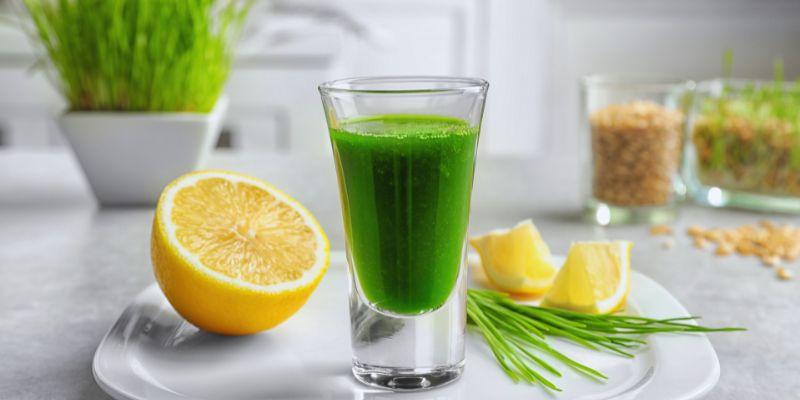
Wheatgrass is packed with nutrients. A single 1-ounce shot of wheatgrass juice contains just five calories, with no fat, sugar, or carbohydrates. It offers a small amount of protein and is rich in vitamins like C and E. It also contains all B vitamins, like thiamine, riboflavin, and folic acid. It also provides minerals such as selenium, zinc, calcium, iron, potassium, magnesium, and manganese.
About 70% of wheatgrass is chlorophyll. It is a green pigment that gives it a vibrant color. Chlorophyll is an antioxidant that can help fight harmful free radicals. Wheatgrass also contains enzymes, amino acids, flavonoids, and tannins. However, the exact nutritional content depends on different factors. While wheatgrass is nutrient-dense, it's not a replacement for a varied diet with fruits and vegetables.
Health Benefits of Wheatgrass
Here are the impressive health benefits of wheatgrass:
- Reducing Chemotherapy Side Effects: Wheatgrass juice can help ease the side effects of chemotherapy. A study of 60 people with breast cancer showed that wheatgrass lowered the risk of myelotoxicity. It is a condition where chemotherapy reduces the bone marrow's ability to produce cells like white blood cells and platelets. It can lead to fewer dose reductions and less need for supportive treatments. Another study with 100 colorectal cancer patients found that wheatgrass juice boosted anti-inflammatory proteins. It helps in maintaining white blood cell levels during chemotherapy and supports the immune system.
- Improving Ulcerative Colitis Symptoms: Wheatgrass can reduce symptoms of ulcerative colitis, an inflammatory bowel condition. A small study was conducted in 2002 in Israel with 23 participants. The results revealed that those who drank 100 milliliters of wheatgrass juice daily for a month had less disease activity. They also had reduced rectal bleeding compared to those taking a placebo. Wheatgrass could help manage inflammation in the colon, though more research is needed.
- Regulating Blood Sugar: Wheatgrass can help control blood sugar levels. It is best for people with type 2 diabetes. A study in rats showed that wheatgrass juice increased insulin levels, which helped lower blood glucose. Since inflammation is linked to diabetes, wheatgrass's anti-inflammatory properties can also reduce complications, but human studies are needed to confirm this.
- Lowering Cholesterol: A study suggested wheatgrass could lower cholesterol levels. Low cholesterol means a lower risk of heart disease. One study found that wheatgrass reduced LDL cholesterol and triglycerides. This benefit is similar to a common cholesterol-lowering drug called atorvastatin. While these results are promising, human studies are necessary to verify if wheatgrass has the same effect in people.
- Fighting Cancer Growth: Wheatgrass can slow down cancer cell growth. Test tube studies showed that wheatgrass juice slowed the growth of mouth and colon cancer cells. It even killed some colon cancer cells. Its antioxidant properties, particularly from chlorophyll, can help prevent oxidative DNA damage and reduce cancer risk. However, these findings need to be tested in animals and humans for confirmation.
- Supporting Digestion: Wheatgrass contains enzymes that aid digestion by helping the body break down food and absorb nutrients. It can reduce bloating, gas, and stomach upset. The high fiber content of wheatgrass also supports gut health. It can help with conditions like diarrhea or constipation. Traditional medicine has long used wheatgrass for these purposes.
How to Make Wheatgrass Taste Better?
Wheatgrass has a strong and grassy taste. It can be hard to enjoy for some people. To make it more palatable, try blending it into smoothies or juices with bold flavors. Mixing wheatgrass juice or powder with sweet fruits like pineapple, mango, or apple can mask its earthy taste. You can also combine it with milk, honey, or fruit juice for a smoother flavor.
For example, adding a 1-ounce shot of wheatgrass juice to a pineapple smoothie can make it taste refreshing. If you prefer to avoid the taste altogether, wheatgrass capsules are a great option. They have little to no flavor. Some flavored capsules are also available for convenience. You can also mix wheatgrass powder into recipes like salad dressings and dips such as hummus. If not that, add it to soups to sneak it into your diet.
Side Effects of Consuming Wheatgrass
Wheatgrass is generally safe for most people, but some can experience side effects. Common mild side effects include headaches and nausea. It usually goes away after a few days. More serious reactions, like hives or throat swelling, can occur in people with allergies to wheat or grass. But these are rare. Since wheatgrass is grown in soil or water and often consumed raw, there's a small risk of contamination with bacteria or mold. It can be a concern for young children.
People with weakened immune systems should avoid raw wheatgrass or make sure it comes from a trusted, certified producer. Importantly, wheatgrass itself is gluten-free, as gluten is found in wheat kernels, not the grass. However, those with gluten sensitivity should choose certified gluten-free products to avoid cross-contamination. Always start with a small dose to see how your body reacts.
Conclusion:
Wheatgrass is a nutrient-dense superfood that offers numerous health benefits. It helps digestion, enhances immunity, and a lot more. It can also prevent cancer. While its strong aroma may be acquired, it can be made pleasant by mixing it with a smoothie or taking it in capsules. Though research is being conducted, wheatgrass is a probable healthy food supplement. Always consult a physician first before taking it, especially for those who have allergies or are on medication.