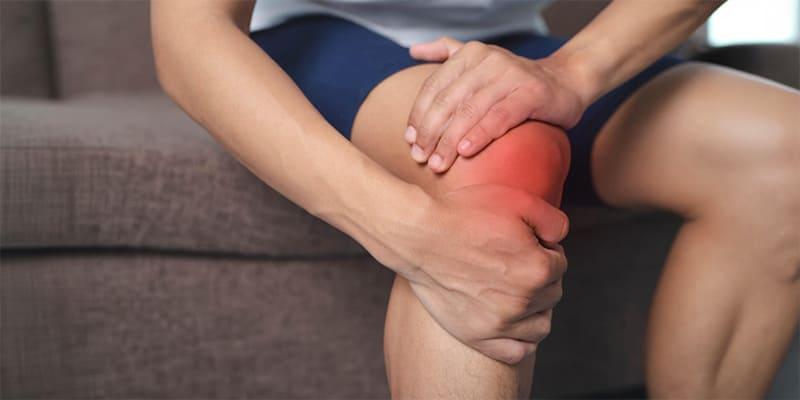
Joint comfort influences movement, confidence, and daily independence. Many people concentrate on exercise or diet when thinking about health, but routine habits also influence how joints feel. Some patterns develop slowly without conscious awareness, and those patterns can place unnecessary pressure on knees, hips, shoulders, and smaller joints throughout the body. By understanding habits that may increase stress, people can make supportive changes that help preserve mobility. The following six habits appear frequently in everyday routines, and each one offers an opportunity for positive adjustment.
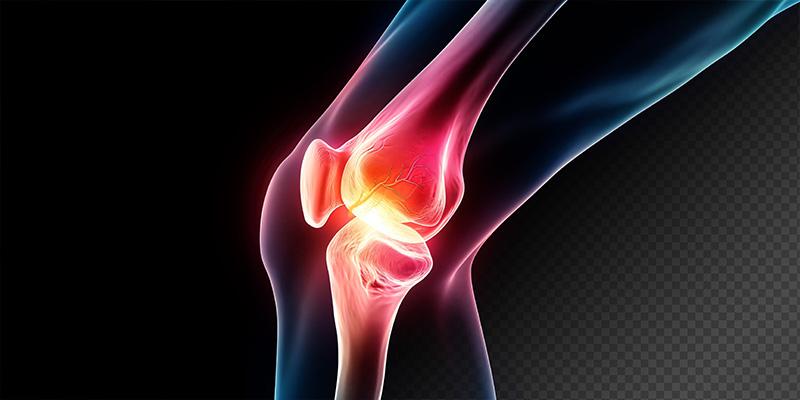
Habit One: Sitting For Long Periods Without Breaks
Many people spend hours at desks, in cars, or on sofas without moving. Long periods of stillness can cause stiffness in the hips, knees, and lower back. Muscles that support the joints become inactive, which can make rising from a chair or climbing stairs feel more difficult. Short breaks support circulation and provide gentle motion that encourages flexibility. Standing every thirty to sixty minutes, stretching lightly, or walking across a room can ease pressure on the body. These small actions help protect joint comfort across the day.
Habit Two: Carrying Heavy Bags On One Side
Shoulders experience considerable pressure when a bag hangs from the same position every day. This habit can place strain on the neck, shoulder joint, and upper back, especially when the bag holds a laptop, books, or groceries. The body compensates for uneven weight, which can create subtle tension throughout the spine. People can support joint comfort by switching sides regularly or choosing bags that distribute weight across both shoulders. Smaller loads also reduce unnecessary pressure and allow the upper body to move with greater ease.
Habit Three: Ignoring Early Signs Of Joint Discomfort
The body communicates through subtle signals. Mild tension, faint aches, and occasional stiffness can appear before stronger discomfort develops. Many people continue their tasks without paying attention to these signals, which can invite additional stress on the joints. A gentle stretch, a short pause, or a change in position can reduce strain and provide relief. Supportive routines allow joints to recover before discomfort becomes more noticeable. Awareness helps people protect mobility through consistent, thoughtful action.
Habit Four: Wearing Unsupportive Footwear
Footwear influences alignment from the ground up. Shoes without cushioning or stability can place added pressure on the knees, hips, and lower back. Hard surfaces such as concrete intensify this effect when combined with thin soles or shoes that lack proper structure. People benefit from footwear that supports the arch, cushions the heel, and fits securely. This foundation helps distribute weight more evenly, which protects the joints during walking and standing. Comfortable footwear becomes a meaningful part of long-term mobility care.
Habit Five: Using Poor Movement Form During Daily Tasks
Daily routines involve bending, lifting, twisting, and reaching. Small lapses in form can place direct pressure on joints. Lifting an object with a rounded back, twisting quickly while carrying bags, or locking the knees while standing can create unnecessary strain. Many people overlook these details because the actions feel automatic. Improving movement form can protect joint surfaces and reduce stress on supporting muscles.
Examples of movement patterns that may increase pressure:
- Lifting objects with uneven pressure on the spine
- Twisting quickly during household chores or errands
- Standing with knees locked for extended periods
Minor adjustments, such as bending from the hips and knees when lifting, turning the entire body instead of twisting at the waist, or maintaining relaxed knee positions during standing, can create meaningful support for joint comfort.
Habit Six: Placing Excessive Pressure On Joints Through High-Impact Routines
High-impact activities place repeated force on the joints, especially when performed frequently without variation. Jumping movements, running on very hard surfaces, or using weights that exceed comfort levels can lead to tension in the knees, ankles, and hips. These activities bring benefits for many people, yet they can create stress when performed without balance or preparation.
Examples of high-impact pressure that can affect joints:
- Repeated jumping during workout sessions
- Running long distances on hard surfaces
- Using weights that exceed the body’s comfort level
People can alternate high-impact routines with options that use gentle, controlled motion, such as cycling, stretching, or water-supported activity. This balanced approach protects the joints while still encouraging physical activity.
How To Reset These Habits With Supportive Actions
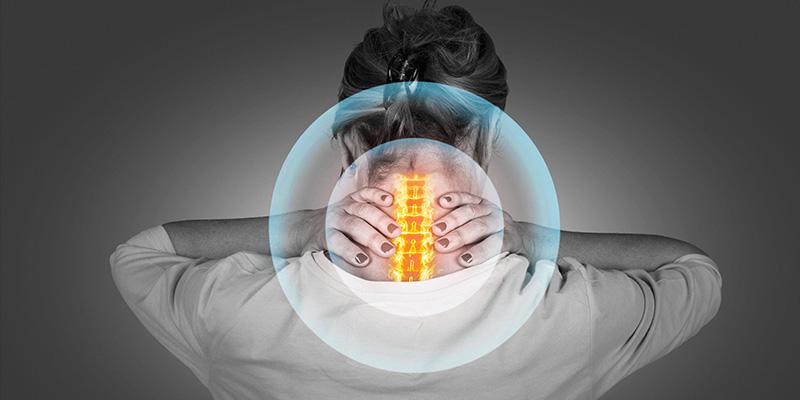
Correcting long-term habits may feel challenging, but small adjustments can lead to meaningful improvement. People can begin by selecting one habit from the list and focusing on that area for a week. If sitting for many hours feels familiar, a timer or reminder can support consistent movement breaks. If heavy bags remain part of daily life, redistributing weight through a backpack or reducing contents can make walking more comfortable.
People who notice early tension in their joints can respond with light stretching or a brief pause to ease discomfort. Footwear can be updated gradually with supportive options. Movement form improves with mindful attention to posture, body alignment, and controlled motion during everyday tasks. High-impact routines can be balanced with lower-impact activities that protect joint surfaces from excessive force.
Consistency matters more than intensity. Each small change supports overall comfort and contributes to healthier movement patterns. Over time, these adjustments reduce pressure on the joints and strengthen confidence in daily mobility.
Strengthening Joint Awareness Through Daily Mindfulness
Awareness plays a meaningful part in how the body responds to movement and pressure. Many people move quickly throughout the day without noticing how they sit, stand, lift, or walk, which allows unhelpful habits to form quietly over time. Bringing attention to physical patterns can prevent strain before it develops. A mindful approach encourages people to observe their posture during work, the way their feet land during each step, and the amount of tension held in the shoulders or lower back. These small checkpoints help guide healthier movement patterns and support joint comfort in a natural way.
People can begin by selecting simple daily cues that encourage awareness. The following steps offer clear starting points for anyone who wants to support joint comfort through mindful habits:
- Pause briefly before standing from a chair to notice alignment and adjust posture.
- Observe how weight feels across both feet during walking or standing.
- Adjust hand placement and back alignment before lifting bags or household items.
- Release tension held in the shoulders by lowering them gently during work or study.
- Use calm, even breathing during movement to support smoother coordination.
These small actions encourage smoother coordination between muscles and joints. Over time, this awareness can reduce unnecessary pressure and help people recognize unhelpful patterns before discomfort appears. Mindfulness also supports emotional balance during physical activity. Many people move with subconscious tension caused by stress or long workdays. Bringing attention to breathing helps release that tension and encourages calmer, more controlled motion. A relaxed approach to breathing during walking, stretching, or household tasks supports better coordination and reduces strain on the joints. With consistent practice, mindfulness becomes a natural part of daily life, offering a simple and effective way to support long-term mobility and comfort.
Conclusion
Joints work throughout every hour of the day, and the habits described above influence how they feel over time. Sitting without breaks, carrying uneven weight, ignoring early signals, wearing unsupportive footwear, using poor form, and overloading the joints with high-impact routines can create unnecessary strain. Awareness of these patterns helps people make thoughtful changes that support mobility and comfort. With consistent practice and small daily adjustments, joint health can improve in a meaningful and sustainable way.