Modern convenience has transformed the way people consume food. Supermarkets display shelves lined with pre-packaged goods, ready meals, and grab-and-go snacks. While packaging serves to preserve freshness, extend shelf life, and improve transport safety, a new scientific investigation has revealed an unsettling truth: more than 3,600 chemicals used in food packaging have been detected inside human bodies.
This discovery paints a stark picture of the unintended consequences of modern packaging technology. The findings suggest that chemicals designed to protect food do not always remain in their intended place. Instead, they often migrate into the food itself and, ultimately, into the human body.
The Scale of the Contamination
The study systematically identified thousands of substances used in materials that come into contact with food, known as food contact chemicals. These include plastics, metals, coated papers, adhesives, inks, and recycled materials. In total, the researchers catalogued over 14,000 such substances. Alarmingly, roughly a quarter of them—about 3,600—were found in human biological samples, including blood, urine, hair, breast milk, and even placental tissue.
The sheer breadth of chemicals detected suggests a continuous and widespread exposure. It is not a rare event but rather a constant part of modern life. Every packaged snack, takeaway meal, and beverage consumed contributes to the body’s growing load of synthetic compounds.
Types of Chemicals Identified
Among the thousands of detected chemicals, several categories stand out for their known toxicity or persistence:
- PFAS (Per- and polyfluoroalkyl substances): Sometimes called “forever chemicals,” these compounds are valued for their water- and grease-resistant properties. They are used in fast-food wrappers, microwave popcorn bags, and coated paper plates. PFAS are highly persistent in both the environment and the human body.
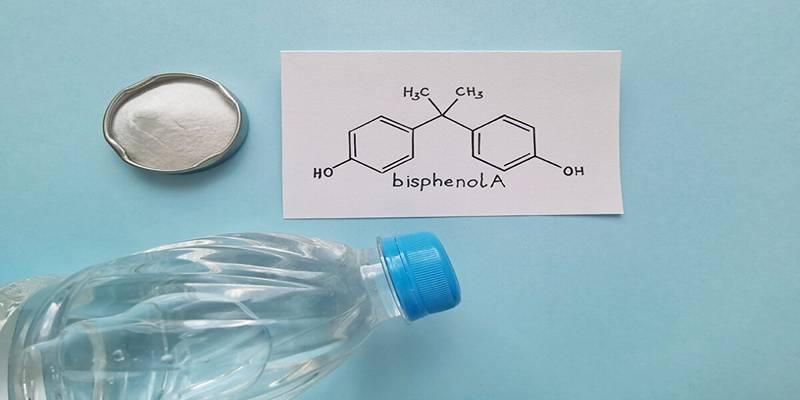
- Bisphenols, including BPA: Commonly used in can linings and certain plastics, bisphenols can mimic hormones and interfere with endocrine function.
- Phthalates: Added to plastics to increase flexibility, phthalates have been linked to reproductive and developmental health problems.
- Heavy metals: Traces of lead, cadmium, and other metals can enter packaging materials through pigments, coatings, or recycled paper fibers.
- Volatile Organic Compounds (VOCs): Often found in printing inks, adhesives, and coatings, some VOCs have toxic or carcinogenic effects.
Many of these substances are classified as endocrine disruptors or suspected carcinogens.
How Do These Chemicals Get Into Our Bodies?
Food packaging is not an impermeable shield. In fact, the migration of chemicals from packaging into food is influenced by several common factors:
- Temperature – Heat accelerates the breakdown and release of chemical compounds. Microwaving food in its original plastic container or leaving packaged food in a hot car can significantly increase exposure.
- Food Composition – Fatty or acidic foods tend to absorb higher levels of packaging chemicals. Oils and acids can act as solvents, drawing compounds out of the packaging.
- Duration of Contact – The longer food sits in its packaging, the greater the opportunity for chemicals to transfer. It applies both to products stored for months and leftovers kept in plastic tubs.
- Surface Area – Smaller packages with greater surface contact relative to the amount of food can lead to higher contamination rates.
- Material Quality – Recycled packaging materials may contain residues from earlier uses, including inks and industrial chemicals not approved for food contact.
Chemical migration is common, making avoidance hard without changing storage and eating habits.
Why the Study Raises Alarms?
The presence of over 3,600 packaging-related chemicals in human tissue is not simply a statistical curiosity—it is a potential public health crisis. For some substances, there is no known safe level of exposure. PFAS, for example, can accumulate in the body over the years, and even tiny amounts have been linked to increased cancer risks, immune dysfunction, and developmental issues in children.
Compounding the danger is the fact that people are rarely subjected to one chemical at a time. Instead, they carry complex mixtures in their bodies, and the combined effects of these mixtures remain largely unknown.
Regulatory Blind Spots
While many countries have regulations for food contact materials, these rules often fail to address the complexity of the problem:
- Outdated Safety Assessments – Once a substance is approved for use, it may remain on the market for decades without re-evaluation, even if new health risks are identified.
- Limited Testing – Many approvals are based on short-term toxicity tests, leaving potential long-term effects unexplored.
- Assumptions of Stability – Regulatory models often assume that packaging materials remain stable, when in reality, they can degrade and release chemicals over time.
- Incomplete Disclosure – Manufacturers are not always required to reveal every component in their packaging materials, making it difficult to track the sources of contamination.
These gaps leave consumers vulnerable, as harmful substances can persist in packaging simply because they have not been thoroughly investigated or because regulations lag behind scientific understanding.
Potential Health Consequences

The chemicals identified in the study are associated with a wide range of health risks. Scientific research has linked exposure to certain packaging chemicals with:
- Hormonal Disruption – Interference with thyroid hormone activity, potentially leading to metabolic disorders, and developmental problems.
- Neurological Impacts – Potential effects on cognitive development in children and an increased risk of neurodegenerative diseases in older adults.
- Metabolic and Cardiovascular Disorders – Associations with obesity, insulin resistance, high blood pressure, and heart disease.
- Cancer – Elevated risks for certain cancers, particularly for substances that persist in the body over decades.
Because many of these chemicals accumulate, exposure in early life can contribute to health problems years or even decades later.
Conclusion
The detection of more than 3,600 chemicals from food packaging in human bodies is a clear warning about the hidden risks of modern food systems. It shows that packaging, once viewed only as a protective barrier, can also be a significant source of long-term chemical exposure.
Without stronger regulations, many of these substances will continue to circulate in products and accumulate in people over time. Industry must innovate toward safer, non-toxic materials, and governments must enforce stricter safety standards.