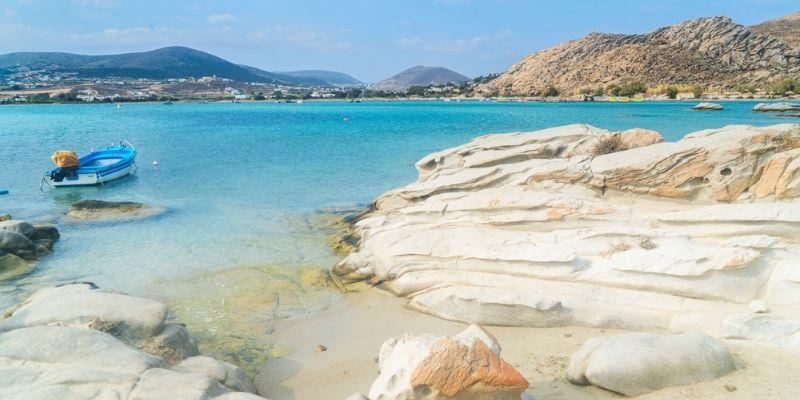
Malta island holidays offer a rare balance between variety and convenience. Within a compact group of islands, travellers can move easily between historic cities, coastal swimming areas, countryside villages, and open sea. Distances are short, public transport and ferries are reliable, and the climate supports outdoor activity for much of the year. This makes Malta well-suited to travellers who want flexibility without constant relocation.
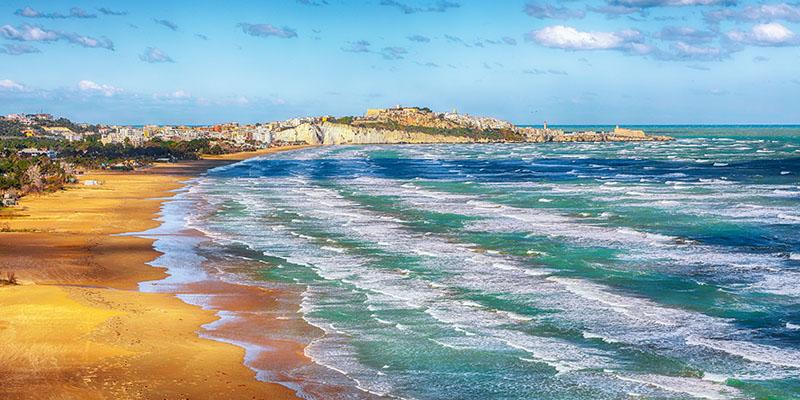
Across the three inhabited Malta islands, Malta, Gozo, and Comino, each area offers a different pace. Malta feels active and urban, Gozo is slower and more rural, while Comino remains largely undeveloped. Together, they create an island group that supports both relaxed stays and active exploration.
Exploring The Island Of Malta
The main island of Malta is the centre of political, cultural, and commercial life. Its compact size allows travellers to experience historic towns, swimming areas, and modern neighbourhoods within a single day. This variety makes it an ideal base for most Malta island holidays.
Valletta anchors the island culturally and historically. Built by the Knights of St John, Valletta’s fortified walls, grid-like streets, and Baroque architecture reflect centuries of strategic importance. Walking through the city reveals churches, palaces, and harbour viewpoints layered closely together. St John’s Co-Cathedral stands out for its ornate interior and important artworks, offering insight into Malta’s religious and artistic traditions.
Outside Valletta, modern coastal towns define daily island life. Sliema and St Julian’s feature long promenades, swimming access, shopping areas, and dining spots. Spinola Bay, in particular, offers calm water and a relaxed waterfront atmosphere, especially in the evening when locals gather along the shore.
Key highlights on the island of Malta include:
- Valletta and St John’s Co-Cathedral
- Sliema and St Julian’s promenades
- Harbour views across the Grand Harbour
Beaches And Swimming Areas Around Malta
Malta beaches differ from those found in many Mediterranean destinations. Much of the coastline is rocky, but this creates excellent swimming conditions thanks to clear water, strong visibility, and natural limestone platforms. For many visitors, water quality becomes a bigger draw than sand.
Sandy beaches are mostly found in the north of the island. Mellieħa Bay is the largest and most accessible, with shallow water suited to families. Golden Bay and Għajn Tuffieħa offer broader open views and slightly stronger waves, making them popular with swimmers and walkers alike.
Elsewhere, swimming often takes place from ladders carved into rock or from flat coastal shelves. These spots, common around Sliema, St Paul’s Bay, and the southern coast, appeal to confident swimmers who enjoy direct access to deep, clear water.
Popular Malta beaches and swimming spots include:
- Mellieħa Bay for sandy access and calm water
- Golden Bay and Għajn Tuffieħa for open coastline
- Rocky swimming platforms around Sliema
Boat Trips, Coves, And The Blue Lagoon
Boat travel is central to many Malta island holidays. Exploring by sea opens access to sheltered coves, cliffs, and swimming areas unreachable by road. Day cruises, sailing trips, and private charters operate throughout the year, weather permitting.
Most boat trips focus on Comino, home to the well-known Blue Lagoon. Its pale turquoise water and sandy seabed create shallow, luminous conditions that attract visitors from across the islands. During peak summer months, visiting early in the morning or outside school holidays helps reduce crowding.
Boat tours also explore sea caves and coastal formations around Malta and Gozo. Options range from glass-bottom boats to full-day sailing excursions, allowing travellers to choose between guided experiences and more independent exploration.
Common boat experiences include:
- Day trips to Comino and the Blue Lagoon
- Sea cave exploration along the coast
- Private sailing or catamaran charters
Gozo: A Slower Island Experience
Gozo offers a noticeable change of pace from the main island. Reached by ferry in under thirty minutes, it feels greener and more rural, with small villages and open landscapes shaping the experience. Many travellers include Gozo to balance busy sightseeing days with quieter moments.
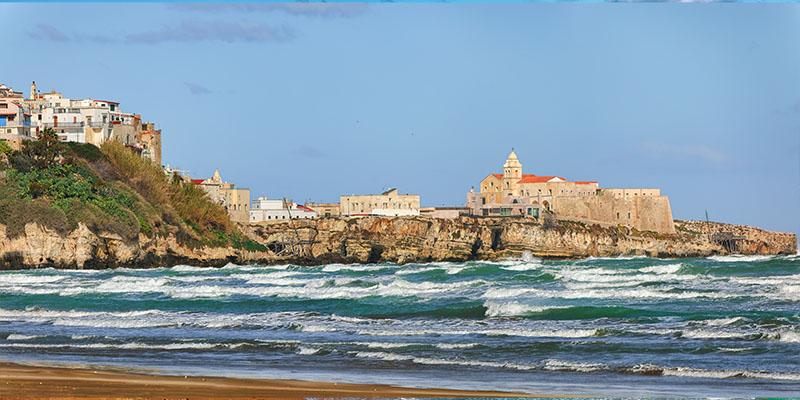
Historic and archaeological sites are central to Gozo’s appeal. The Ġgantija Temples highlight the island’s ancient history, while coastal areas such as Dwejra offer dramatic swimming locations. The Blue Hole, carved into limestone rock, provides natural access to deeper water and is popular with experienced swimmers and divers.
Staying overnight on Gozo allows visitors to enjoy its calmer evenings and countryside atmosphere. Ferries run frequently, making both day trips and longer stays practical.
Gozo highlights include:
- Ġgantija Temples and ancient sites
- Swimming areas near Dwejra
- Quiet villages and rural scenery
Cultural And Historic Sites Across The Islands
History shapes nearly every part of Malta. From prehistoric ruins to medieval cities and military fortifications, cultural landmarks are spread across the islands rather than concentrated in one location.
Mdina, the former capital, offers a focused medieval experience. Enclosed within fortified walls, its narrow streets and limestone buildings create a distinct atmosphere, especially in the evening when day visitors leave. Museums, churches, and viewpoints within Mdina reflect Malta’s layered political history.
Elsewhere, forts, watchtowers, and wartime sites reveal centuries of defence and occupation. These locations are often integrated into everyday landscapes, making cultural exploration feel natural rather than staged.
Key cultural sites include:
- Mdina and its fortified old town
- Prehistoric temples across Malta and Gozo
- Coastal forts and military structures
Food, Markets, And Local Life
Malta’s food culture reflects its Mediterranean location and long history of influence. Italian techniques, North African flavours, and British-era traditions combine into a distinctive local cuisine. Street food, bakeries, and casual eateries offer an accessible introduction to Maltese cooking.
Markets and neighbourhood cafés add texture to daily life, especially outside the busiest tourist areas. Coastal towns feature seafood restaurants where meals stretch comfortably into the evening, shaped by sea views and relaxed pace.
Dining in Malta often follows a social rhythm, with long lunches and later dinners forming part of island routine.
Food experiences commonly include:
- Local bakeries and street food stalls
- Seafood dining in coastal towns
- Markets selling regional produce
Planning A Malta Island Holiday
Malta island holidays suit a wide range of travel styles. Active travellers can combine walking tours, boat trips, and historic sites, while others prefer slower itineraries focused on beaches and coastal towns. The islands’ compact geography reduces travel time and supports flexible planning.
Spring and autumn offer ideal conditions for exploration, while summer suits swimming and boat-focused stays. Winter brings fewer crowds and greater focus on culture and walking.
Conclusion
Malta island holidays succeed because they offer balance within a small area. Clear water, layered history, varied landscapes, and reliable weather combine without requiring long journeys or complex logistics. Travellers can move easily between cities, beaches, and countryside, shaping each day according to pace and interest.
Across Malta, Gozo, and Comino, the islands provide contrasting experiences that complement one another. Whether focused on culture, swimming, food, or relaxed coastal life, Malta offers a compact yet rewarding island destination that supports both discovery and downtime.