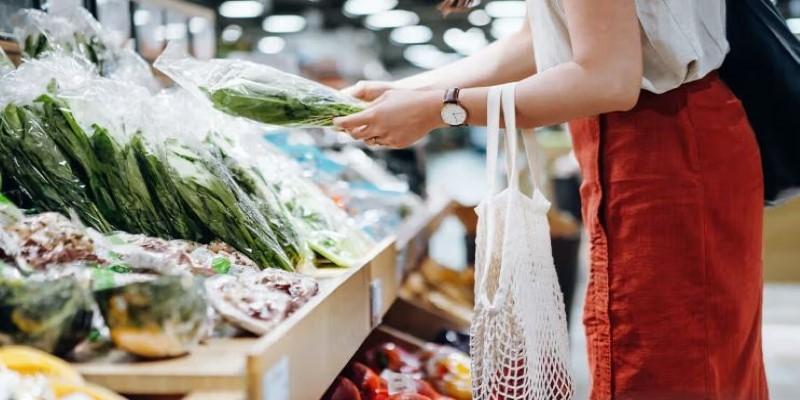
Financial constraints frequently stand as the primary barrier to dietary adherence for patients managing chronic conditions such as diabetes, hypertension, and cardiovascular disease. When household budgets tighten, the quality of nutritional intake often degrades. Calorie-dense, nutrient-poor processed foods typically carry a lower price tag than fresh produce or lean proteins. This economic reality creates a paradox where the foods most likely to exacerbate metabolic syndrome are the most accessible. However, nutrition science demonstrates that optimal health does not strictly require high-end organic products or specialty health foods. Strategic purchasing, grounded in an understanding of nutrient density and food chemistry, allows for the maintenance of high clinical standards without excessive expenditure.
Prioritizing Plant-Based Proteins and Bioavailability
Plant-based proteins often support both clinical goals and household budgets. Animal protein delivers a full amino acid profile but becomes costly when high intake is required for wound healing or preventing muscle loss. Lentils and beans offer an economical alternative that also assists with glucose regulation. Dried beans provide the best value since a small amount produces multiple servings. Soaking them lowers phytate levels, which improves the absorption of iron and zinc, nutrients commonly deficient in patients with anemia or weakened immune function. Preparing beans from scratch also avoids the excess sodium found in canned varieties, an important factor for individuals with hypertension, heart failure, or renal disease.
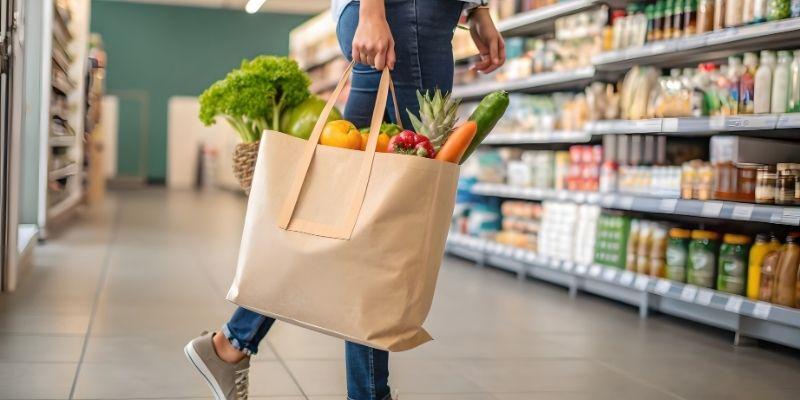
Eggs and canned fish extend protein options without raising cost. Sardines and mackerel supply EPA and DHA in meaningful amounts and carry lower mercury levels than larger fish. Eggs remain a dependable source of choline and B vitamins needed for neurological stability.
Maximizing Micronutrient Retention with Frozen and Canned Produce
A pervasive myth suggests that fresh produce is universally superior to frozen or canned alternatives. This misconception leads patients to overspend on fresh items that spoil quickly or to avoid vegetables entirely due to cost. The biochemical reality favors frozen produce in many contexts. Vegetables destined for the freezer are harvested at peak ripeness and flash-frozen within hours. This thermal shock locks in water-soluble vitamins, particularly vitamin C and folate, which degrade rapidly upon exposure to light and oxygen.
Fresh spinach stored in a refrigerator loses a significant percentage of its folate content within a week. Frozen spinach retains this nutrient profile for months. For a patient managing homocysteine levels, the frozen option provides a more reliable nutrient dosage. Texture changes due to ice crystal formation do occur, making frozen items less suitable for salads, but they function identically to fresh variants in soups, stews, and omelets.
Canned vegetables require more scrutiny due to processing additives but remain a viable clinical tool. The primary concern is sodium. Rinsing canned vegetables under running water can reduce sodium content by approximately 40%, rendering them acceptable for most moderate-sodium diets. Tomatoes are a standout in the canned aisle; the heating process during canning increases the bioavailability of lycopene, a potent antioxidant linked to prostate and cardiovascular health. Purchasing plain canned tomatoes and seasoning them at home avoids the hidden sugars and preservatives found in pre-made pasta sauces.
Analyzing Unit Prices and Bulk Purchasing Dynamics
Grocery retail psychology relies on confusing packaging and variable sizes to obscure the true cost of food. Understanding unit pricing—the cost per ounce or per 100 grams—neutralizes this tactic. The bulk bins in grocery stores often offer the lowest unit price for staple grains, nuts, and spices. This section eliminates the "packaging tax" associated with branded boxes.
Whole grains like oats, brown rice, and quinoa purchased in bulk support metabolic health more effectively than their instant counterparts. Instant oatmeal packets usually contain added sugars and have a high glycemic index due to the mechanical processing of the oat groat. This rapid digestion spikes blood glucose, a detrimental effect for insulin-resistant individuals. Steel-cut or rolled oats bought in bulk digest slowly, providing sustained energy and stable blood sugar levels. The fiber matrix remains intact, feeding the gut microbiome and promoting satiety.
However, bulk purchasing requires an understanding of shelf stability. Fats go rancid. Brown rice and walnuts contain natural oils that oxidize when subjected to air and heat for prolonged periods. Oxidized fats contribute to cellular oxidative stress. Therefore, bulk buying is only economical if the inventory turns over before degradation occurs. Storing these items in the freezer extends their lifespan significantly, preserving the integrity of the fatty acids. This practice prevents the hidden cost of food waste, where money is lost not at the register, but in the pantry trash can.
Reducing Food Waste Through Meal Planning and Preservation
The most expensive food is the food that is never eaten. Food waste represents a massive leak in the household budget. When patients fail to plan meals, they often succumb to decision fatigue by midweek, reverting to takeout or fast food. This creates a cycle of buying groceries that rot while simultaneously spending money on low-nutrition restaurant meals.
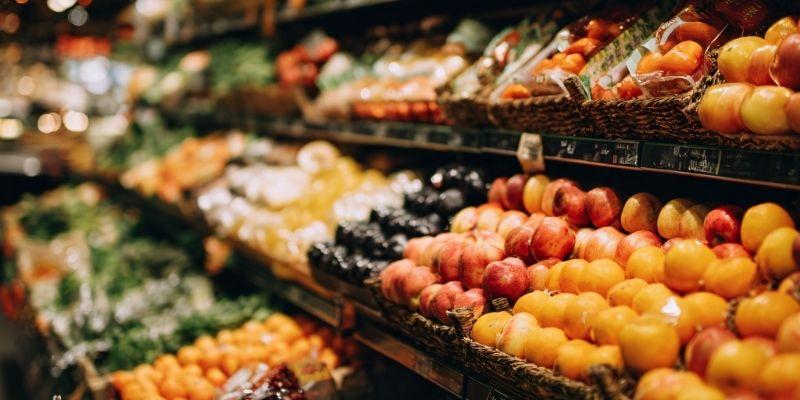
Effective planning focuses on ingredient overlap. A clinical dietary plan should not require a unique set of ingredients for every meal. Instead, a roasted chicken on Monday becomes tacos on Tuesday and soup on Wednesday. This "cook once, eat twice" methodology reduces the psychological burden of meal preparation.
Proper storage technology extends the viability of fresh investments. Ethylene gas, a ripening agent released by fruits like apples and bananas, accelerates the decay of nearby leafy greens. Separating high-ethylene producers from ethylene-sensitive vegetables prevents premature spoilage. Understanding humidity settings on refrigerator drawers also plays a role; leafy greens require high humidity to prevent wilting, while fruits prone to rotting need lower humidity.
Furthermore, utilizing scraps aligns with both economic and nutritional goals. Vegetable peels, onion skins, and carrot tops, often discarded, are rich in minerals. Boiling these scraps to create a vegetable broth extracts potassium and magnesium, creating a nutrient-dense base for other meals at zero additional cost. This approach extracts the maximum biological value from every dollar spent.
Conclusion
Nutritional stability relies less on affluence and more on the strategic application of food science. Shifting expenditure toward shelf-stable proteins and frozen produce mitigates the volatility of fresh food pricing while preserving essential micronutrients. Mastering unit calculations and minimizing waste through biological preservation methods, the grocery budget aligns with metabolic needs. Clinical health outcomes improve not through expensive specialty products, but through the consistent availability of nutrient-dense, basic ingredients.