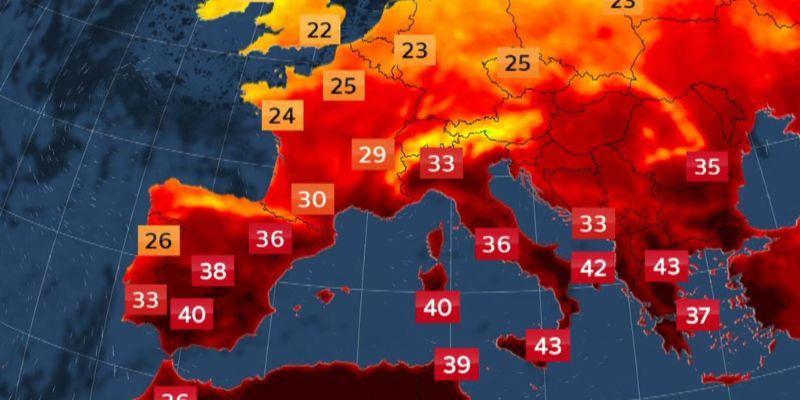
Europe is enduring a severe summer heatwave. Southern areas are the worst affected. “Red heat” alerts and Southern Europe heatwave travel warnings confront tourists in Spain, France, Portugal, Italy, Türkiye, Croatia, and the Balkans. Seville and other Spanish cities recently reached above 45 °C. This week, all of mainland France is under high alert. The health department of Portugal advises remaining inside during the hottest times of the day.
More than twenty Italian towns have alarmingly red alerts. Many heatstroke and dehydration incidents fill hospitals. Extreme heat exacerbates wildfires in İzmir, Turkey. Temperatures reached 40 °C and above along the Croatian and Balkan coastlines. This guide provides a detailed overview of the European red heat alert destinations most affected.
Southern Europe Heatwave: Countries Battling Record-Breaking Temperatures
Southern Europe is facing record-breaking temperatures. The worst-hit zones include:
Spain
Years have passed since Spain last experienced one of its warmest summers. Seville and the surrounding area have reached a high of 45 °C. Temperatures even reached a scorching 46 °C just recently. As people stay inside, streets are empty during peak heat times. Local governments have sent heat safety advisories throughout the area. Travelers should avoid outdoor activities at noon. To safeguard employees, many businesses and eateries shut earlier than usual. Public fountains are busy, and water usage has surged. Health authorities advise about heatstroke and dehydration risks. Tourists must follow all official summer heat safety guidelines.
France
France is under one of its most widespread heat alerts ever. Almost all of the mainland is under red-level warnings this week. Southern cities are seeing temperatures soar above 40 °C daily. In many regions, the hot, dry air is depleting the rivers’ levels. Intense sunlight makes it difficult for farmers to keep crops alive. Schools have changed their times to avoid the hottest hours. Visitors in Paris experience exceptionally pleasant evenings with little respite from the cooling. People looking to beat the heat swarm beaches. Officials are sharing water in crowded public areas. Authorities caution that the heat wave might affect travel and health.
Portugal
The heatwave in Portugal has caused countrywide significant health advisories. Staying inside between 11 AM and 5 PM is recommended by the national health authorities. Inland regions are extremely hot, with temperatures reaching nearly 40°C. Midday is still intolerably hot; coastal areas are somewhat cooler, but not much. Rising heat-related disorders will be met with preparedness from emergency services. Parks and open areas are calm as people stay home. Tourists are reminded to keep hydrated and protect themselves from sunburn. Protecting cattle and crops from the heat is difficult for farmers. The authorities anticipate the warm period to continue for a few more days. Safety remains the priority.
Italy
Italy is fighting a severe and draining nationwide heatwave. Extreme heat has put over 20 cities on red alert. Hospitals are seeing unusually high numbers of heatstroke and dehydration-related cases. Visitors in Rome face long days with little shade. Northern parts are a bit colder, but still unbearably hot. Areas in the south, like Sicily, are getting hotter than usual at 45 °C. Public health initiatives encourage people to abstain from midday activity or travel. To safeguard employees, companies are changing their hours of operation. Outside activities are being shifted inside or pushed back. In most regions of Italy, the heat is impacting daily life.
Türkiye
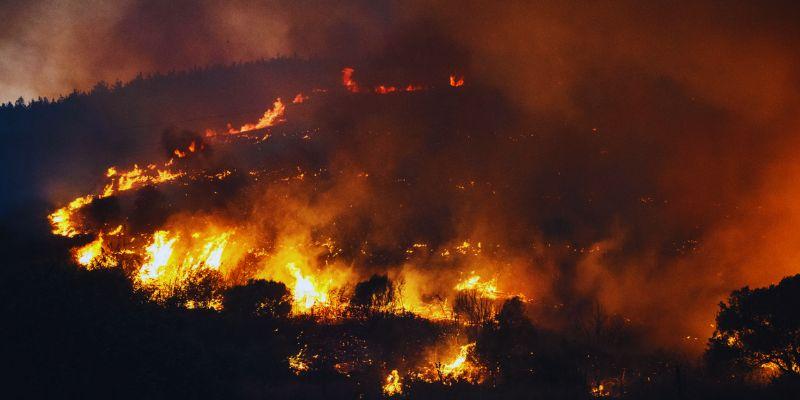
This summer, Türkiye is battling a deadly mix of heat and fires. For days, temperatures in the İzmir area have been soaring well above 40 °C as hot, dry winds exacerbate many flames. Wildfire smoke is aggravating an already challenging breathing environment. To save homes and trees, firefighters are constantly working. People who live in the most dangerous villages have been moved out. Tourists are told to stay away from areas with fires or smoke. Dry conditions might continue for weeks, officials are advising. News and social media are rife with heat safety instructions being spread. The mood is still quite stressed.
Croatia & the Balkans
Balkan countries and the Adriatic coast have very hot summers. Some locations have seen temperatures as high as 40 °C or even more. People who visit beaches come early to avoid the heat of the day. Even at night, some cities, including Split and Dubrovnik, feel unusually hot. Temperatures well above historical norms are also being recorded in inland regions. Increased air conditioning demand strains the electricity supply. Farmers are concerned about inadequate water harming their animals and crops. Health professionals advise individuals to unwind during the warmest hours. The authorities believe the intense heat will last a few more days. Everyone’s safety depends on ongoing vigilance.
How Long Will the Heat Last?
The intense heatwave is set to continue through the middle of the week. In Italy, temperatures may start to drop by the weekend. Forecasts suggest they could fall to the high-20s or low-30s °C. Spain will likely hold onto extreme temperatures until at least mid-week. France may see some relief in the north, but southern regions stay hot. Portugal’s coastal areas might cool slightly, yet inland regions remain scorching. Türkiye’s heat will persist, adding fuel to ongoing wildfire risks.
Tourists should track local forecasts closely for updates. Planning activities around cooler hours is essential for safety and summer travel safety during a heatwave. Always drink enough water to avoid dehydration during hot days. Wear light, loose clothing to stay cooler in high temperatures. Rest frequently in shaded places when outdoors during the extreme heat. Stay hydrated and protect yourself from sun exposure during extreme heat.
Conclusion:
Southern Europe’s heatwave is a stark reminder of rising climate challenges. From Spain’s scorching cities to Türkiye’s wildfire zones, the impact is intense. Tourists and locals alike must adapt to dangerous conditions. Staying hydrated, avoiding peak heat hours, and following official safety guidance are essential. While some regions may see relief soon, others face prolonged risks. Climate experts warn that such extreme events will likely become more frequent. Being prepared is no longer optional; it is vital for survival. By staying informed and making smart choices, people can protect themselves and still enjoy summer’s beauty despite the heatwave’s challenges.