Many people believe that swimming is a fun and safe sport, particularly for families and children. People love it because of the laughter, splashing, and excitement. However, there may be certain risks that people overlook when they're having fun. Secondary drowning is an uncommon but deadly condition that can happen when someone is around water.
This condition doesn't appear right away, like most emergencies; it takes hours to develop. This delay can confuse families and make it harder to recognize the danger in time. Many people are unaware that the risk of drowning does not always disappear when someone leaves the water. Understanding how this disease spreads, who is more prone to it, and which medical treatments to follow can help preserve lives.
What Is Secondary Drowning?
Secondary drowning is a problem that happens later, after water has gotten into the body while swimming or almost drowning. This illness doesn't show signs of distress immediately away like imminent drowning does. Instead, it hides and gets worse over time. Initially, the lungs may appear to function normally, but fluid that becomes trapped inside them can cause problems later on.
It often causes inflammation over time, making it hard for air and oxygen to reach the affected area. Because it takes so long to appear, families often struggle to recognize danger in its early stages. It doesn't happen very often, but it has been observed in both children and adults in various swimming scenarios. Knowing that it exists helps people realize that water-related situations don't usually end when someone is safely brought out of the water.
Why Does It Happen?
Secondary drowning happens because the lungs are very sensitive to even small amounts of water. When water gets in, it disrupts the normal balance of surfactant, a protective fluid that helps air sacs function properly. This disruption causes inflammation, which in turn causes the lung tissues to enlarge, making it harder for oxygen to enter the blood. The body may also attempt to protect itself by causing inflammation, which can further exacerbate breathing difficulties.
Another factor that exacerbates the issue is water that lingers in the respiratory system without being noticed. Chemical reactions and irritation persist even after the person returns to their daily activities. Over time, these changes put stress on the lungs, which can suddenly turn into a life-threatening situation. This mechanism explains why it is essential to closely monitor the situation after any water-related accident, even if everything appears to be back to normal initially.
Who Is Most at Risk?
Some people are more vulnerable to secondary drowning because of how their bodies respond. Young children are especially vulnerable, not only because they are small, but also because their bodies get tired rapidly after being in the water. They might not be able to explain strange feelings either, which makes it difficult for caretakers to find them.
Older persons with compromised immune systems or pre-existing respiratory diseases are also more likely to get sick since their lungs can't manage extra stress well. Competitive swimmers or divers who spend a significant amount of time underwater may occasionally be more susceptible to inhaling hidden water. People with neurological conditions that affect their swallowing reflexes may also experience difficulty safely clearing water.
Top Warning Signs of Secondary Drowning
Here are the top warning signs of secondary drowning:
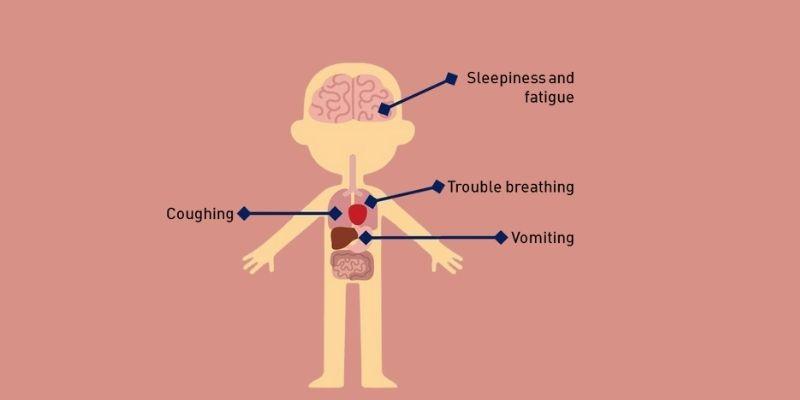
- Extreme Fatigue: A sudden need to sleep or excessive fatigue can be a sign of a serious health issue. The amount of oxygen may be decreasing. It's normal to feel tired after swimming, but feeling sleepy hours later is not. Always keep a close eye on things.
- Chest Pain or Tightness: It could be problematic if someone has chest pain or tightness after swimming. It could imply that the edema is damaging the lungs. Never disregard chest pain after being in the water.
- Confusion or Behavioral Changes: The brain may not work properly when oxygen levels decline. Confusion, irritation, or strange behavior are all signs. Kids might not act like they usually do. It is a major warning sign that comes too late.
- Trouble Breathing: One of the most important indicators is trouble breathing. The person might breathe quickly or have difficulty getting enough air. Wheezing or breathing that sounds bad is another indicator of lung inflammation. Seek medical treatment immediately if your breathing becomes irregular.
- Persistent Coughing: A persistent cough after swimming is a significant sign. It shows that the airways are likely inflamed. If you cough for hours on end, it could signal that water is in your lungs. It is a warning sign that must be taken seriously.

How Doctors Diagnose It
Doctors use extensive evaluation methods to make sure that someone has secondary drowning. They begin by carefully listening to the patient's medical history and inquiring about any recent exposure to water, as well as any unusual incidents that may have occurred in the pool, lake, or ocean. Then, they use a stethoscope to listen to the lungs and look for strange crackles or breathing patterns.
Chest imaging, such as X-rays or CT scans, is often used to detect fluid buildup or edema within the lungs. You can use blood gas testing to find out how much oxygen and carbon dioxide are in your body. In some cases, pulse oximetry is used to continuously monitor oxygen saturation. Doctors may also conduct lung function tests to assess any issues with airflow. This thorough evaluation helps tell secondary drowning apart from other breathing problems and makes sure that the right treatment plan starts right away.
Conclusion
Secondary drowning doesn't happen very often, but it's really dangerous if you don't pay attention to it. It doesn't show up straight away, which is why families need to be on the lookout after any water activity. Quickly noticing strange changes and getting aid from a specialist can prevent dangerous complications. Parents, caregivers, and swimmers can make informed decisions when they are aware of the situation. When someone gets out of the pool or the sea, safety doesn't end. Awareness and quick action help reduce secondary drowning risks, keeping water activities safe and enjoyable for everyone.