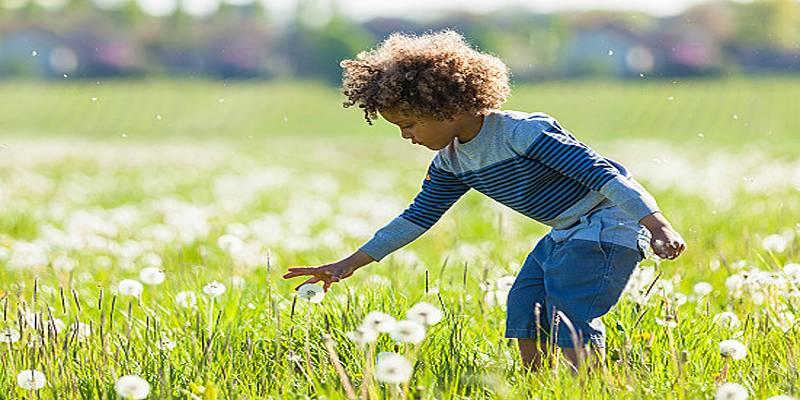
For children affected by seasonal allergies, spring and fall often bring more discomfort than joy. While most kids look forward to playing outdoors, some face sneezing fits, runny noses, watery eyes, and constant fatigue due to airborne allergens like pollen, mold, and dust mites. For families, navigating this time of year can be challenging, especially when symptoms disrupt sleep, school, and playtime.
However, allergy season doesn’t have to derail a child’s wellbeing. With proactive care and a few practical strategies, it’s possible to reduce allergen exposure, manage symptoms effectively, and keep kids thriving despite the environmental triggers around them.
Impact of Seasonal Allergies on Children
Allergies occur when the immune system mistakenly identifies harmless substances—such as pollen or mold—as threats. This reaction triggers the release of histamine, which leads to inflammation and the familiar allergy symptoms: sneezing, nasal congestion, itchy eyes, coughing, or skin irritation.
Children are especially vulnerable because their immune systems are still developing. When symptoms are left unmanaged, they can affect sleep, concentration, appetite, and mood. Prolonged exposure to allergens may even worsen conditions like asthma or eczema, further complicating their health.
Understanding which allergens are active during the season and how they affect the child’s body is the first step toward effective management.
Reducing Exposure to Outdoor Allergens
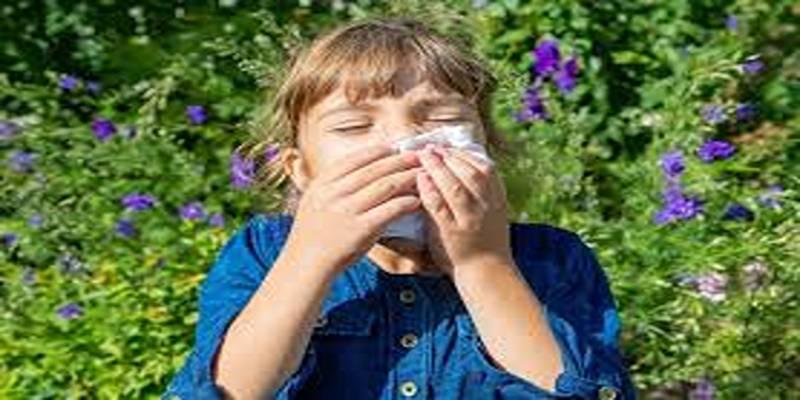
Limiting exposure to common triggers such as pollen is one of the most important strategies during allergy season. Children should still enjoy outdoor play, but with a few added precautions.
- Monitor pollen levels daily through reliable weather apps or local allergy forecasts. On days when pollen counts are high, outdoor time should be limited, especially in the early morning and late afternoon when pollen dispersal is at its peak.
- After outdoor activities, children should change clothes, wash hands and faces, and, if needed, shower to remove any pollen that may have settled on the skin or hair. This step helps prevent allergens from spreading throughout the home.
- Use protective accessories, like wide-brimmed hats and sunglasses, which can shield the eyes and scalp from direct exposure to airborne particles.
These simple yet effective precautions can significantly reduce symptom flare-ups while still allowing children to stay active.
Creating a Low-Allergen Indoor Environment
What enters the home from outdoors can easily settle on furniture, carpets, and clothing. Keeping indoor spaces clean and allergen-free provides children with a haven from seasonal triggers.
- Keep windows closed during high-pollen times and use air conditioning to cool and filter indoor air. High-efficiency filters, such as HEPA filters, are especially useful in trapping fine particles that standard filters might miss.
- Vacuum regularly using a HEPA vacuum cleaner and mop hard floors with a damp cloth to avoid stirring up allergens. Upholstery, curtains, and stuffed toys should also be cleaned frequently.
- Launder bedding and clothing in hot water once a week to eliminate pollen, dust mites, and other irritants.
- Control indoor humidity, as mold can thrive in damp areas. A dehumidifier may be necessary in bathrooms or basements to prevent mold spore accumulation.
Maintaining a clean indoor space helps alleviate symptoms and supports restful sleep and better recovery for children during allergy season.
Supporting the Immune System Through Nutrition
Nutrition plays a significant role in how the body responds to allergens. A well-balanced diet can strengthen the immune system and reduce inflammation, giving children a better chance of managing their symptoms naturally.
- Antioxidant-rich fruits and vegetables, such as berries, oranges, spinach, and carrots, help combat the oxidative stress caused by allergen exposure.
- Foods high in vitamin C and quercetin, like apples, red peppers, and broccoli, may offer natural antihistamine properties, reducing the intensity of allergic reactions.
- Omega-3 fatty acids, found in flaxseeds, walnuts, and fatty fish, support immune health and lower inflammation.
- Probiotic-rich foods, such as yogurt or kefir, promote gut health, which is closely linked to the immune system’s strength.
Children who maintain a diverse, nutrient-dense diet may experience milder symptoms and faster recovery times during allergy season.
Creating a Symptom Management Plan
While lifestyle and environmental changes help reduce exposure, a personalized symptom management plan ensures children receive consistent care. Parents or caregivers, in collaboration with a pediatrician or allergist, can develop a plan tailored to the child’s needs.
- Non-drowsy antihistamines may be recommended for children with frequent sneezing or itching. Nasal sprays and eye drops can also relieve localized symptoms.
- Saline nasal rinses or sprays can help flush allergens out of the nasal passages, especially after outdoor exposure.
- Tracking symptom patterns in a journal can reveal trends, such as which days are worse or what environmental conditions lead to flare-ups. This information helps guide adjustments to medications or routines.
A well-monitored care plan ensures that symptoms are controlled proactively rather than reactively, which is essential for preventing complications.
Prioritizing Sleep and Rest

Poor sleep weakens the immune system and increases irritability, which can make allergy symptoms feel even worse. Nasal congestion, itching, and coughing often interfere with nighttime rest for allergic children.
- Elevate the head of the bed slightly, which can help reduce nasal drainage and improve breathing.
- Use hypoallergenic pillows and mattress covers to prevent dust mites and allergens from accumulating where children sleep.
- Establish a consistent bedtime routine to help the body relax, including reading or gentle music, and keep screens off for at least 30 minutes before bed.
When children get quality sleep, they’re more resilient, focused, and better able to cope with seasonal symptoms.
Conclusion
Allergy season presents unique challenges for children, but it doesn’t have to hold them back. Through a combination of environmental control, immune support, symptom management, and emotional care, children can continue to grow, play, and learn in comfort.
Thriving during allergy season isn’t about eliminating every allergen—it’s about creating conditions where children can still flourish. With thoughtful planning and consistent care, families can make seasonal allergies a manageable part of life rather than a constant disruption.