New Zealand’s scenic beauty is well-celebrated during daylight, but its charm only deepens after sunset. Known for its wide-open landscapes, minimal light pollution, and clean air, the country offers some of the world’s most spectacular night skies. Whether viewed from remote highlands or coastal sanctuaries, the southern stars, galaxies, and celestial formations shine brilliantly overhead.
This guide explores how to experience the best of New Zealand’s night skies—where to go, what to see, and how to prepare for a memorable stargazing journey.
Why New Zealand Is a Stargazing Haven?
Several geographic and environmental factors make New Zealand ideal for stargazing. Large parts of the country have very low population density, especially across the South Island. It means minimal artificial lighting, one of the key factors in preserving dark skies.
The country also lies in the Southern Hemisphere, offering visibility of astronomical features not easily seen from northern regions. From the Southern Cross to the Magellanic Clouds, New Zealand’s night sky presents unique opportunities for sky watchers of all levels.
In addition, the country’s air quality is excellent, particularly in rural and alpine areas. The result is a clean, stable atmosphere that reduces haze and enhances clarity.
Top Locations for Stargazing in New Zealand
While the night sky is visible almost anywhere in the country, certain destinations stand out due to their remoteness, clarity, and official dark sky protections.
Aoraki Mackenzie International Dark Sky Reserve
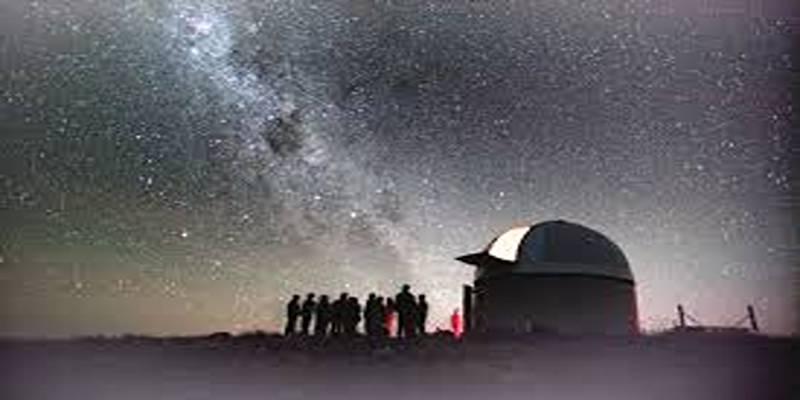
Located in the South Island, this reserve includes the towns of Tekapo, Twizel, and Mount Cook Village. It was the first region in the Southern Hemisphere to gain international dark sky recognition. The landscape here—mountains, alpine lakes, and flat plains—offers a stunning natural setting for celestial viewing. Stargazing tours, observatories, and dedicated sky-viewing platforms enhance the experience.
Great Barrier Island
Positioned northeast of Auckland, Great Barrier Island is a certified Dark Sky Sanctuary. It is one of the most remote inhabited islands in the country, with almost no urban lighting. Its skies are among the darkest in the world, offering views of the Milky Way and deep-sky objects with the naked eye.
Stewart Island / Rakiura
At the southern end of the country lies Stewart Island, a wild and largely untouched destination. Its skies are frequently clear, and its geographic position allows for occasional views of the aurora australis (Southern Lights). Visitors come here for solitude and quiet beauty, far from any light pollution.
Wairarapa Region
A growing astrotourism destination just north of Wellington, the Wairarapa offers excellent conditions and emerging infrastructure. Observatories, guided experiences, and clear rural skies make it a great option for travelers not venturing as far south.
What to See in New Zealand’s Night Sky?
New Zealand’s night sky reveals a variety of wonders depending on the time of year and the clarity of conditions.
One of the most recognizable formations is the Southern Cross, a small constellation that serves as a navigational reference point in the Southern Hemisphere. The Milky Way Galaxy is also especially bright here and often appears as a luminous arc across the sky.
Two unique features visible in this region are the Large and Small Magellanic Clouds—dwarf galaxies orbiting the Milky Way and visible only from the southern hemisphere.
Depending on the season and clarity, planets such as Jupiter, Mars, and Saturn can often be spotted, especially when aided by binoculars or telescopes. Meteor showers, eclipses, and lunar phenomena add even more variety for those lucky enough to visit during active celestial periods.
Best Times of Year to Stargaze
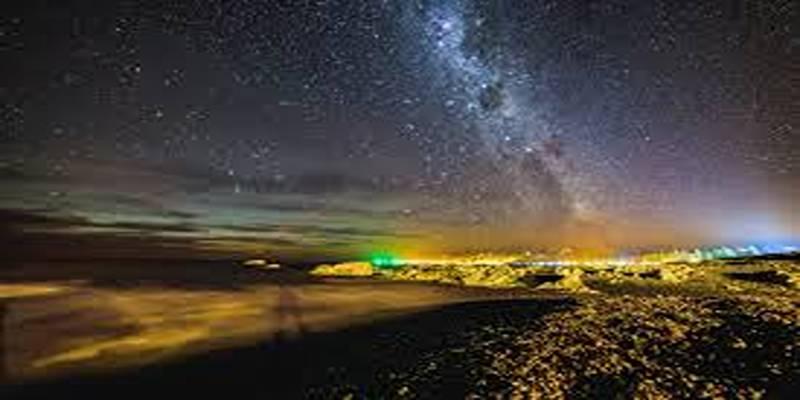
The most favorable period for stargazing in New Zealand spans from April to September. These months offer longer nights, cooler temperatures, and typically drier skies in alpine and inland areas, creating optimal viewing conditions.
Autumn (April–May) and winter (June–August) provide the clearest night skies. However, winter can also bring colder conditions and occasional snowfall in higher elevations, so dressing appropriately is essential.
Spring (September–October) continues to offer clear skies, although days begin to lengthen. Summer (December–February) has the shortest nights and often increased humidity, which can impact visibility, particularly in coastal areas.
Additionally, planning around the lunar cycle is crucial. A new moon period results in the darkest skies, which enhances the visibility of fainter stars and galaxies. Stargazing during a full moon is still possible, but the brightness may limit what can be seen with the naked eye.
Preparing for a Night Under the Stars
A successful stargazing experience in New Zealand benefits from some thoughtful preparation:
- Dress warmly: Nighttime temperatures drop quickly, especially in elevated regions. Layers, hats, gloves, and insulated footwear are important. Bringing a thermal blanket or heat packs can add extra comfort during longer sessions.
- Limit use of artificial light: Red-filter flashlights are ideal for moving around without disrupting night vision. Keep phone screens dimmed or off to preserve your natural night vision throughout the evening.
- Bring binoculars or a telescope: While much can be seen with the naked eye, magnification enhances planetary and deep-sky viewing. A lightweight tripod can help stabilize your view for clearer, extended observation.
- Avoid peak urban areas: Even small amounts of artificial light can reduce clarity, so aim for rural or protected dark sky zones.
- Be patient and allow eye adjustment: It can take up to 30 minutes for human eyes to adapt fully to darkness.
Apps and printed star charts can also help identify celestial formations in real time.
Conclusion
New Zealand offers more than just dramatic landscapes and adventure-filled days—it also presents one of the finest night sky experiences on Earth. Whether it's from the base of Aoraki/Mount Cook, the remote beaches of Great Barrier Island, or the southern reaches of Stewart Island, the night sky is a breathtaking part of the country’s natural heritage.
By choosing the right locations, planning around weather and lunar phases, and being fully present under the stars, travelers can enjoy moments of stillness, wonder, and connection that stay with them long after the journey ends.